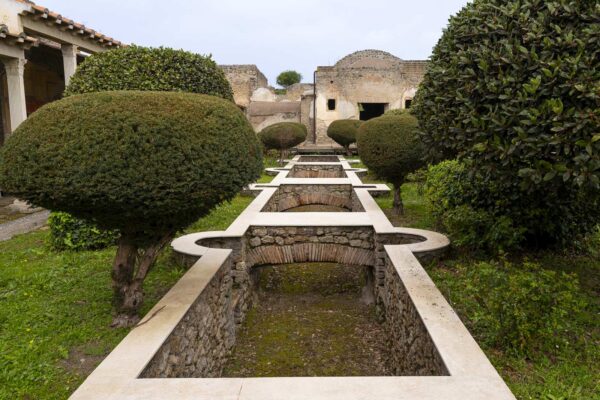
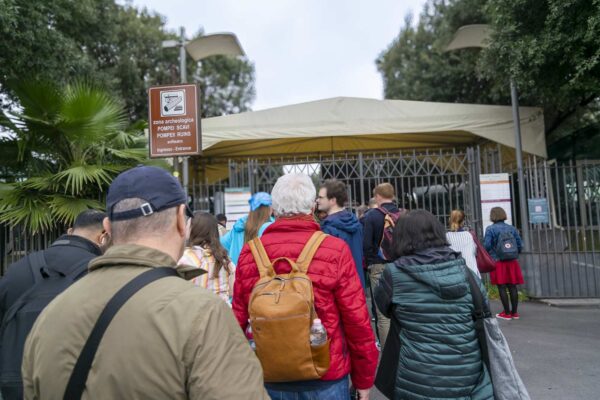
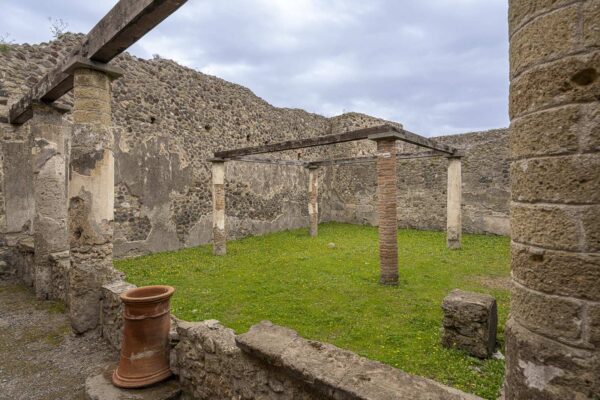
Taking a class on a visit to the Pompeii Archaeological Park is a unique educational experience. It offers students the chance to touch ancient history and understand archaeology as a living discipline.
Pompeii is an authentic open-air museum, where the remains of the eruption of Vesuvius in 79 A.D. are intertwined with evidence of daily life in a Roman city. This guide was created to help teachers plan a comprehensive and practical educational trip, taking advantage of dedicated school facilities and planning targeted educational workshops.
Why Take Students on a Trip to the Pompeii Archaeological Park
- Multi-sensory learning: The Pompeii Archaeological Park allows students to see, touch (with proper precautions) and immerse themselves in an authentic historical context. This experience goes beyond textbooks, providing students with lasting memories and motivation to study.
- Archaeological Insight: Learning first-hand about excavation techniques and historical reconstruction (as in the case of the famous plaster casts) makes archaeology a hands-on subject. Children discover how an archaeological area is protected and enhanced.
- Interdisciplinary value: A visit to the Pompeii Archaeological Park can include an educational itinerary involving history, geography, art, and even Latin literature. Numerous connections exist with the school curriculum, from Roman culture to analysing classical texts.
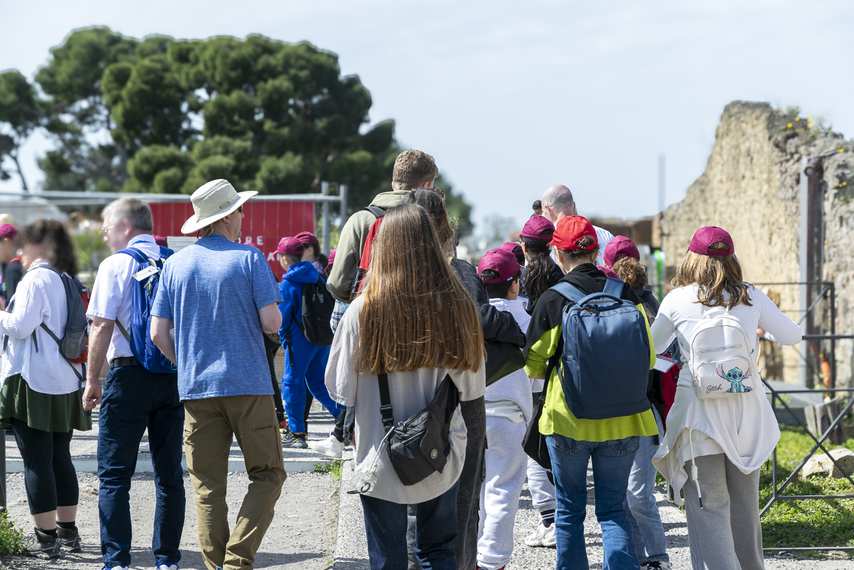
- Multi-sensory learning: The Pompeii Archaeological Park allows students to see, touch (with appropriate precautions) and immerse themselves in an authentic historical context. This experience goes beyond textbooks, providing students with lasting memories and motivation to study.
- Archaeological Insight: Learning first-hand about excavation techniques and historical reconstruction (as in the case of the famous plaster casts) makes archaeology a hands-on subject. Children discover how an archaeological area is protected and enhanced.
- Interdisciplinary value: A visit to the Pompeii Archaeological Park can include an educational itinerary involving history, geography, art, and Latin literature. Numerous connections exist to the school curriculum, from Roman culture to the analysis of classical texts.
- Citizenship education: Protecting and respecting an archaeological site is a vital lesson. Students learn about cultural heritage as a legacy to be protected.
Usefulness for Students of Different Learning Levels
- Primary School: Younger children can explore the ancient city concept and understand how children and families lived in Roman times. Simple paths and playful workshops (e.g., drawing frescoes) help stimulate their curiosity.
- Middle School: In this segment, students can learn more about Pompeii’s history, the daily life of the ancient Romans, and the eruption of Vesuvius. Interactive tours with specialised guides or multimedia materials encourage experiential learning.
- High School: Older pupils can analyse complex aspects, such as Roman town planning, details on Pompeian frescoes, archaeological stratigraphy, and public archaeology. In addition, they can participate in more advanced workshops, such as simulating an archaeological excavation or studying artefacts.
Concessions and Free Admission for Schools
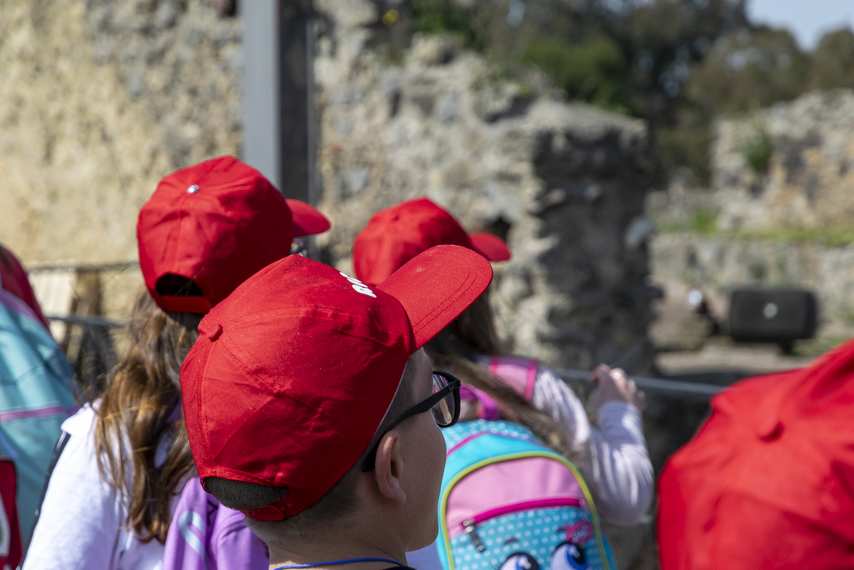
- Age groups: Students below specific age limits may be eligible for reduced or free admission. Check the official Pompeii website for updated requirements.
- Accompanying teachers: Teachers can often enter at a reduced rate or free of charge (look up “Pompeii free teacher admission” for current regulations). Documentation from the institution attesting to the school nature of the group must be presented.
- Required documents: Upon arrival, the school must provide the list of students, any letter from the institution and, if requested, the receipt of payment. These documents attest to the school nature of the visit.
Reservation and Access Arrangements
- Reservation required: School groups must reserve in advance by filling out the appropriate form in the “Educational Visits” section of the official Pompeii website.
- Scheduling and visitor flow management: During the reservation, an entrance time will be indicated to allow an even distribution of groups along the archaeological area.
- Recommended entrance: Schools generally have access from Piazza Anfiteatro (Piazza Immacolata). This entrance is reserved for handling large groups and allows for an orderly influx.
- Other entrances: Porta Marina and Piazza Esedra are usually used by individual visitors or other groups. However, some schools may choose an alternative entrance, depending on the agreed educational route.
Educational Routes and Thematic Workshops
Pompeii offers many interactive activities and educational workshops. Here are some examples:
- Workshop on Pompeian frescoes
- In-depth study of mural painting techniques and the most common subjects (mythology, still life, painted architecture).
- Opportunity for students to experiment with basic fresco techniques (in some off-site workshops).
- In-depth study of daily life
- Visits to iconic sites: the Forum of Pompeii, the amphitheatre, workshops and ovens.
- Explanations on how people lived in the Roman city before the eruption of Vesuvius, focusing on customs and traditions.
- Focus on archaeology and excavation methodologies
- These thematic pathways explain how Pompeii casts are made, what tools are used to document finds, and how archaeologists study stratigraphic levels.
- These thematic pathways explain how Pompeii casts are made, what tools are used to document finds, and how archaeologists study stratigraphic levels.
- Interactive guided tours
- Guides specialising in museum education engage students with questions, small quizzes or anecdotes, making the experience more dynamic.
- Guides specialising in museum education engage students with questions, small quizzes or anecdotes, making the experience more dynamic.
- Pompeii Children’s Museum
- Pompeii Children’s Museum is an educational initiative dedicated especially to young children. It features interactive exhibits and creative activities, which are a great way to introduce children to history in a playful way.
Teaching Strategies for School Visits to the Pompeii Archaeological Park: How to Maximise Learning During and After the Trip
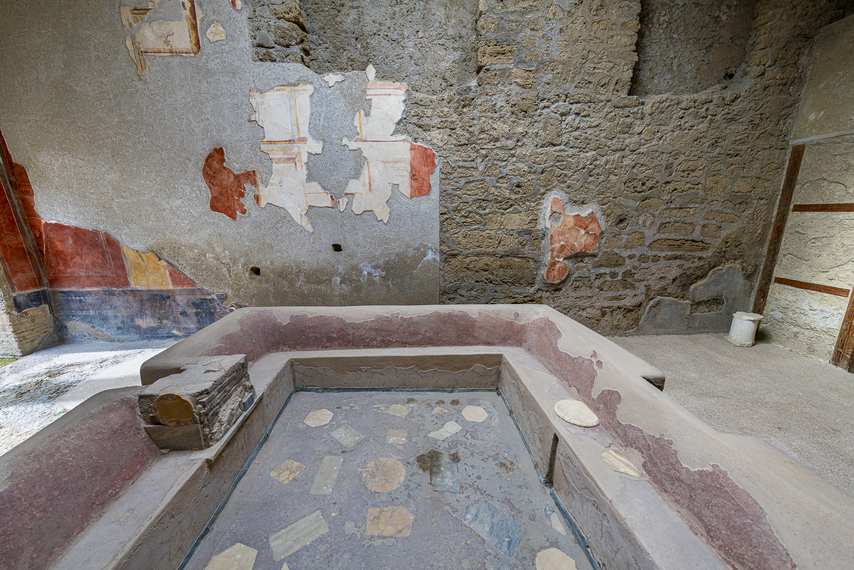
Organising a visit to the Pompeii Archaeological Park is not limited to just a one-day excursion: it is essential to prepare a well-structured educational itinerary, including preparation phases in the classroom, “field” observation activities and moments of final revision. Here are some concrete suggestions:
In-class Preparation
- Introductory lectures: Spend a few hours explaining the pivotal topics covered during the visit (history of Pompeii, eruption of Vesuvius, archaeology, daily life in ancient Rome). This helps students make mental connections and become familiar with basic vocabulary (amphitheatre, domus, fresco, casts, etc.).
- Show students photographs or short videos in class of the archaeological site of Pompeii, highlighting the points of greatest interest, such as the Forum, the Teatro Grande, or the House of the Faun. This way, once on site, students will recognise the monuments and be able to connect them to the explanations provided earlier.
- Flipped Classroom: Invite children to search for short readings or videos online so that they come to class already prepared or with questions about Pompeii. This approach makes them more involved and responsible for their learning.
Creating Working Groups
- Thematic division: Divide the class into small groups, assigning a macro-theme (e.g., art, urban planning, society, religion, daily life). During the visit, each group will be responsible for researching information in the field and taking specific notes.
- Historical role-playing: A group can “play” the inhabitants of Pompeii in Roman times (shopkeepers, artisans, senators, matrons, slaves) and compile a kind of “logbook” of daily life. This activity, although simplified, helps students identify with and better understand the socio-cultural context.
- Interdisciplinary skills: Each group can include students with different inclinations (those who are better at drawing, those who are better at writing, those who are better at technology). In this way, each contributes their skills (e.g., making sketches of the frescoes, photographing details, taking notes for the final report).
Field Activities
- Use teaching sheets and questionnaires, either created in advance or downloaded from the official website with open-ended questions or quizzes. For example, “What do you notice about the streets of Pompeii?”, “What types of public buildings can you spot?”. This activity stimulates conscious observation.
- Collaborative learning: Encourage children to exchange information: if one group notices an interesting fresco, they can point it out to their classmates and discuss its significance.
- Use of digital tools (if allowed): Some apps and websites provide virtual tours or real-time insights. Check in advance for compatibility with Archaeological Park regulations and the possibility of using smartphones or tablets within the site.
Archaeological Workshops and Simulations
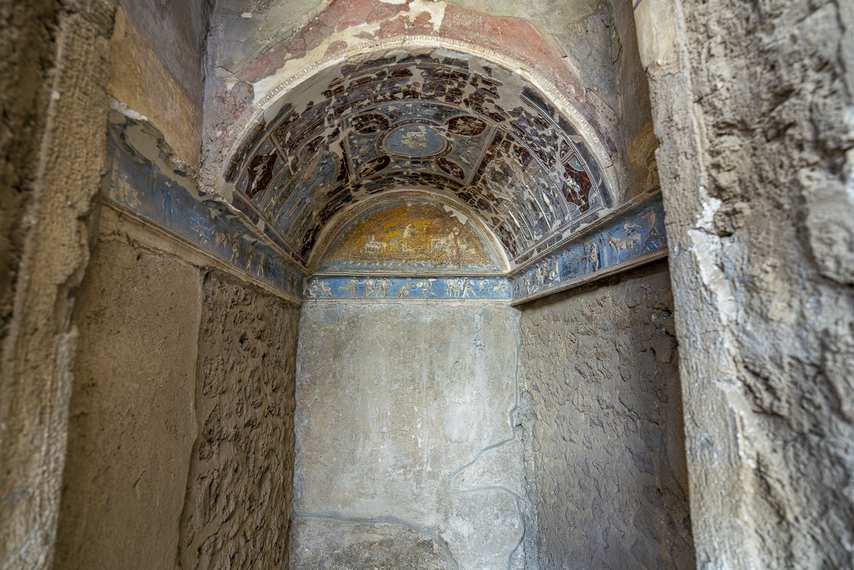
- Experimental archaeology: Use external workshops or the Pompeii Children’s Museum when possible. Involve the children in hands-on experiences, such as reproducing small fragments of frescoes or simulating an excavation.
- Immediate reworking: During breaks, carve out moments for discussion: ask groups to share discoveries or curiosities quickly, thus fixing concepts in their memory.
Post-Visit Activities
- Written or digital report: Upon returning to class, ask students to draft a text (individual or group) describing the experience, things learned, and monuments that impressed them. Alternatively, you can create a blog, short video, or podcast in which they talk about the educational outing.
- Class exhibition or poster board: Invite students to create a small “exhibition” in the classroom, displaying photographs, drawings or notes. Each group can present their topic of study, encouraging the exchange of knowledge among peers.
- Interdisciplinary connection: Link the experience to more than one school subject. For example, in literature, analyse passages devoted to Pompeii or the eruption of Mount Vesuvius; in geography and science, explore the workings of volcanoes; in art, focus on the decorative and pictorial elements observed.
Formative Assessment
- Learning Portfolio: For each stage-preparation, visit, and final processing, you can give a grade or a rating, emphasising commitment and ability to cooperate.
- Self-evaluation: Have the children reflect on what they learned, encountered difficulties, and overcame any problems. A self-assessment questionnaire or group discussion can help them understand their path.
Involving Parents and the Community
- Final meeting: Organise a meeting open to parents or other classes, where students can share their experiences and expound on the projects.
- Collaboration with local entities: Consider collaborating with cultural promotion bodies or associations in the area that can provide additional materials or testimony on heritage preservation.
Adopting a structured, multi-step approach-from preliminary classroom preparation to post-visit activities-makes the school visit to the Pompeii Archaeological Park a complete and unforgettable educational experience.
By actively involving students with workshops, research, and moments of shared reflection, archaeology and ancient history become living and exciting experiences, providing insights for cultural, personal, and social growth.
Logistics and Practical Advice

- Recommended duration:
- Half day: 2-3 hours for an introductory tour (ideal for elementary school).
- Full day: 5-6 hours for more in-depth exploration of the main attractions (House of the Faun, Villa of the Mysteries, Stabian Baths, etc.).
- Itinerary choice: The Pompeii Archaeological Park is extensive. In advance, select the places of greatest educational interest to avoid scattering and fatigue and to keep students’ attention high.
Our website offers several itineraries for visiting the Pompeii Archaeological Park, based on the time available: links to articles. - Standards of behaviour and safety:
- Maintain a moderate tone of voice and follow marked routes.
- Do not touch frescoes, mosaics or archaeological walls.
- Confer waste in the appropriate bins.
- Minimise encumbrances with overly bulky backpacks.
- Additional services: the Pompeii Archaeological Park Education Office (contactable from the official website) can provide further guidance on simulated excavation workshops or specialised tours.
Conclusions
Organising a school visit to the Pompeii Archaeological Park represents a once-in-a-lifetime opportunity for teachers and students to experience ancient history and archaeology firsthand.
From the initial planning (booking, choice of routes, group management) to the post-visit activities (reports, projects, reworking workshops), each step is a building block that contributes to a unique educational experience.
Thanks to the archaeological site’s facilities for schools, educational workshops, and thematic routes, teachers of all levels can develop interdisciplinary projects that meet the educational needs of children, teens, and adolescents. In this way, the History of Pompeii comes alive, becoming a valuable lesson in culture and active citizenship.
Whether it is a first introductory visit or an advanced course of study, Pompeii remains a place of great fascination and deep inspiration. It is a journey into collective memory that helps students see the past with new eyes in order to better understand the present.
FAQ About Educational Visits to the Pompeii Archaeological Park
Please fill out the form available in the Educational Visits section of the official website. It is advisable to book well in advance, especially during peak season.
Many students and accompanying faculty are eligible for free admission or reductions. Regulations change periodically, so check the official website or contact the reservation office for up-to-date information on “Pompeii free faculty admission” and under-18 concessions.
You can choose workshops on Pompeii’s frescoes, experimental archaeology tours or interactive tours. Some activities occur directly in the archaeological area, others at the Pompeii Children’s Museum or other affiliated centres.
The visit can take 2-3 hours (for an introductory tour) or 5-6 hours (for a more in-depth exploration). Must-see sites include the Forum of Pompeii, the Villa of the Mysteries, the House of the Faun, the Stabian Baths, and the Amphitheatre of Pompeii.
It is advisable to divide the class into small groups, each with a chaperone or lead teacher. Radio/microphone devices can facilitate listening to explanations without creating excessive noise.
Some of the sites offer shelter, but the trail is primarily outdoors. Bringing folding umbrellas or raincoats is essential, especially for younger children. Check with the organisation in severe weather to see if the route can be postponed or modified.
Yes, through the Pompeii Archaeological Park Education Office (contactable from the official website), special thematic routes or ad hoc workshops can be arranged, depending on the students’ age and interests.
Schools are usually directed to the Piazza Anfiteatro entrance (in Piazza Immacolata). This solution promotes easier and more controlled access for school groups, preventing excessive queues or traffic jams at the other main entrances.
Non-school groups can enter from the entrances of Porta Marina (Via Villa of the Mysteries) or Piazza Esedra (Piazza Porta Marina Inferiore). The choice depends on the areas of the Pompeii Archaeological Park you wish to visit first and the proximity to the coach parking.
Indeed, the Piazza Anfiteatro entrance remains a good option if you prefer to explore the eastern area of the excavations, such as the Garden of the Fugitives or the Amphitheatre. In many cases, even non-school groups find it convenient to start from here to reduce travel within the archaeological park.