
Welcome to the portal dedicated to one of the world’s most fascinating archaeological sites. Discover the history of Pompeii, the Roman city buried by the eruption of Mount Vesuvius in AD 79, and immerse yourself in the secrets of its ancient streets, frescoed villas, and everyday life. Here you’ll find practical information to help plan your visit, along with unique insights into this extraordinary cultural heritage. Get ready for an unforgettable journey through time!
The Pompeii Archaeological Park
Pompeii: History in Brief
Pompeii, the ancient Roman city at the foot of Mount Vesuvius, is an extraordinary example of historical and cultural heritage. Founded in the 7th century BC, it became an important commercial and urban centre before being buried by the eruption of Vesuvius in AD 79. This catastrophic event preserved the city’s ruins, creating a unique testament to Roman life.
Today, thanks to the Pompeii Archaeological Park, visitors can explore the streets, houses and temples of this buried Roman city, immersing themselves in a history that continues to captivate millions. Pompeii is a must-see for anyone wishing to discover its past and experience the fascinating world of antiquity.
Visit the Pompeii Archaeological Park
Prepare for your trip and discover the timeless charm of the Pompeii Archaeological Excavations up close. Walk among the ruins, explore ancient houses and admire the magnificent frescoes that tell the story of Roman life from two thousand years ago. Book your visit to Pompeii with an expert guide to immerse yourself in its history and be amazed by the majesty of this Roman city, buried by the eruption of Vesuvius. Don’t miss the chance to experience an unforgettable journey to one of the world’s most fascinating archaeological sites.
Opening Hours
Before planning your visit to the Pompeii Archaeological Park, it’s important to check the opening hours so you can organise your day effectively. The site is open all year round, with seasonal variations designed to offer visitors the best experience at any time.
To make the most of your visit to the ruins of Pompeii, we recommend arriving early in the morning, when it’s less crowded and the temperature is cooler—especially during the summer months. Wear comfortable shoes, bring water and sunscreen, and if possible, book your ticket in advance to avoid queues.
Check the latest opening times and plan your visit to this extraordinary archaeological site, a unique testament to the history of Pompeii and Roman life frozen in time by the eruption of Vesuvius.
Monday 09:00 – 17:30
Tuesday 09:00 – 17:30
Thursday 09:00 – 17:30
Wednesday 09:00 – 17:30
Friday 09:00 – 17:30
Saturday 09:00 – 17:30
Sunday 09:00 – 17:30
Tickets for the Pompeii Archaeological Park
| Ticket | Price | Buy Online |
|---|---|---|
| Reserved Entry to Pompeii | from €24.90 | Check availability |
| Guided Tour of Pompeii | from €46 | Check availability |
| Pompeii Pass: Guided tour + Pompeii Museum in the Past and train access to Pompeii | from €60 | Check availability |
| Tickets with Transportation from Naples | from €65 | Check Availability |
| Tickets with Transportation from Rome | from €161 | Check Availability |
| Pompeii + Herculaneum Archaeological Park | from €42.90 | Check availability |
| Pompeii, Herculaneum and Vesuvius: Skip The Line Tickets + Round Trip from Pompeii | from €125 | Check availability |
What to See in Pompeii
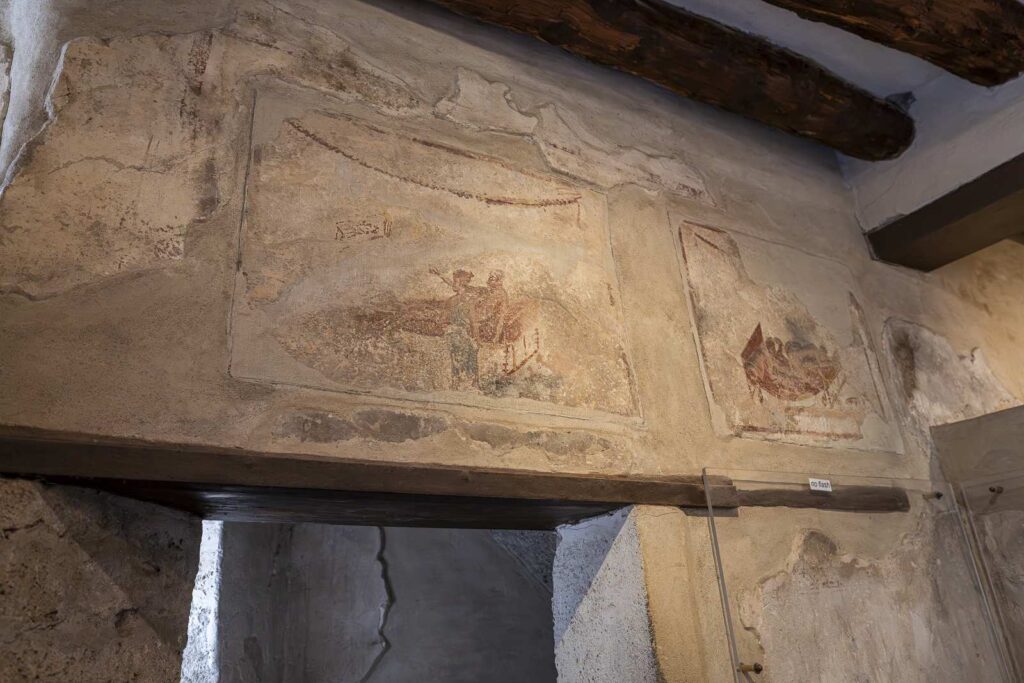
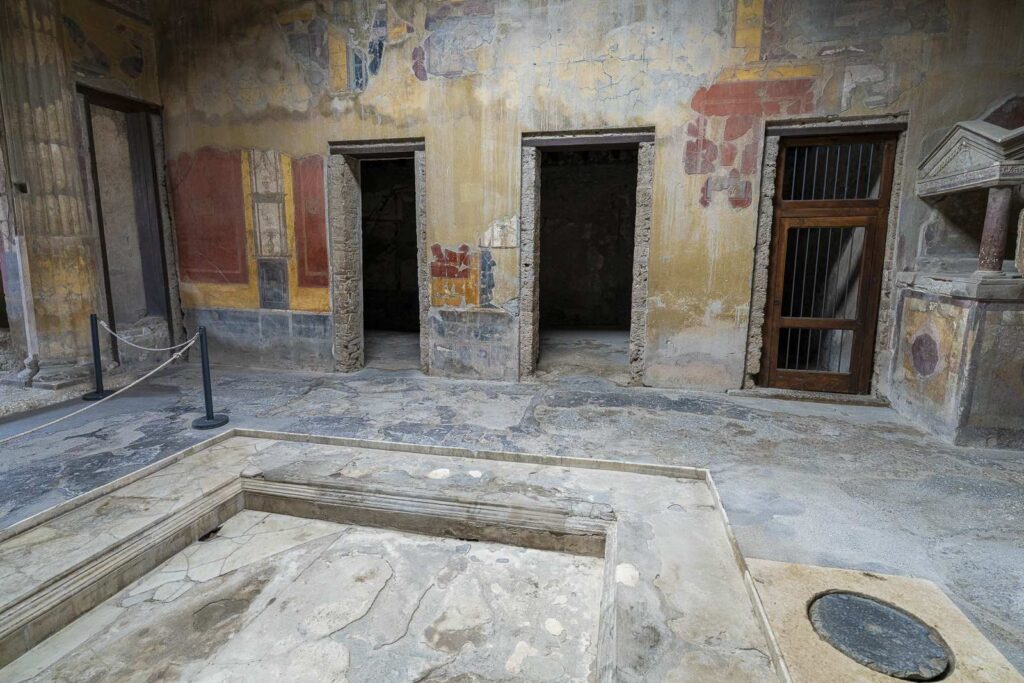
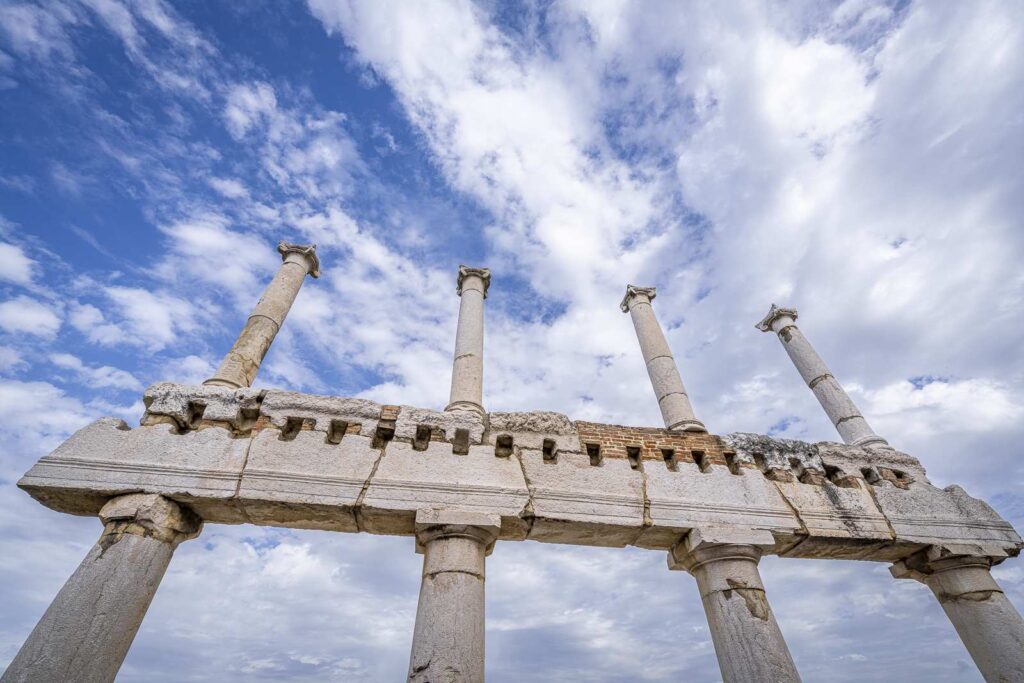
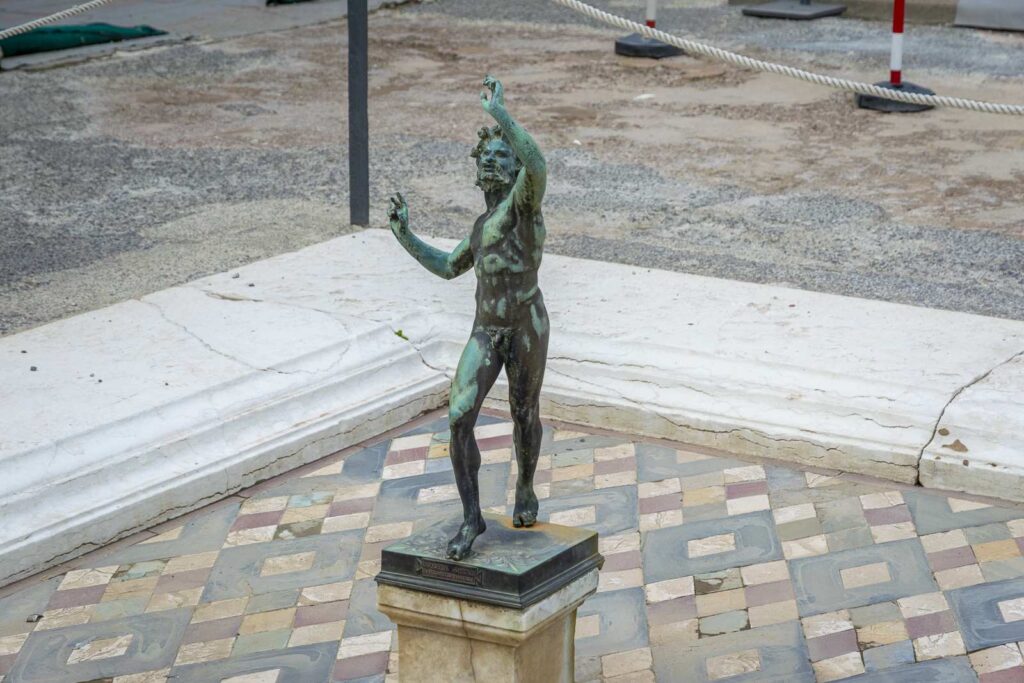
The archaeological excavations of Pompeii offer an unforgettable journey into the heart of ancient Rome. As you walk among the ruins, you’ll discover the most iconic sites of this Roman city, buried by the eruption of Vesuvius in AD 79. Every corner of Pompeii tells a story — from majestic villas adorned with frescoes, to temples, amphitheatres and paved streets that have preserved remarkable traces of the past.
To help you explore this extraordinary site, we’ve selected some must-see places to visit, such as the Forum of Pompeii, the Amphitheatre, the House of the Faun, and the Villa of the Mysteries. Discover what makes this UNESCO World Heritage Site truly unique, and be enchanted by the history of Pompeii and its exceptional beauty.
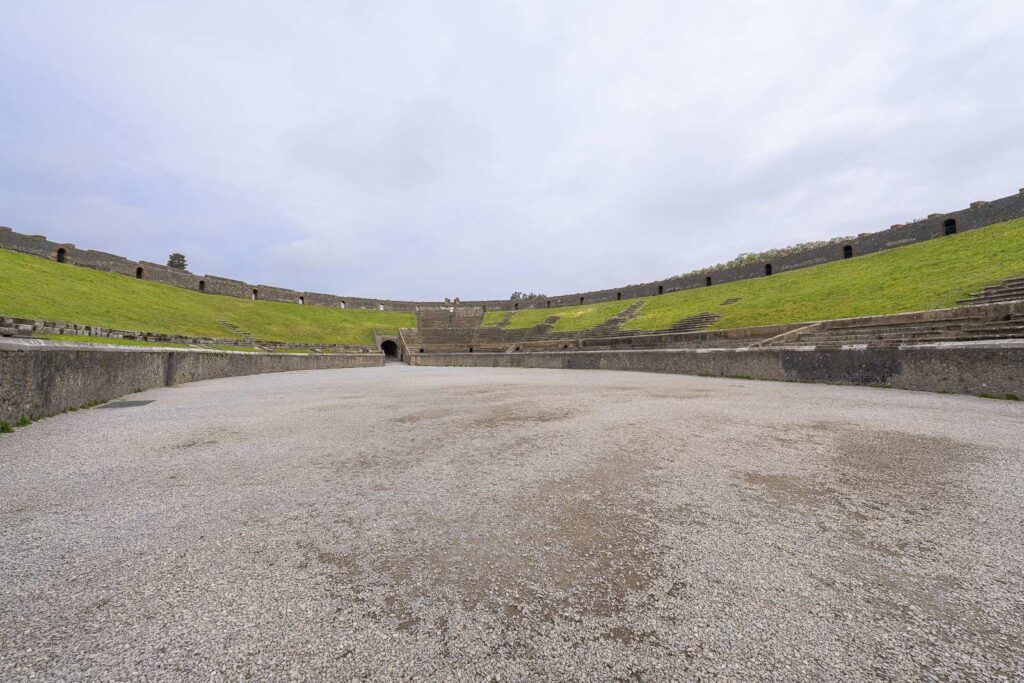
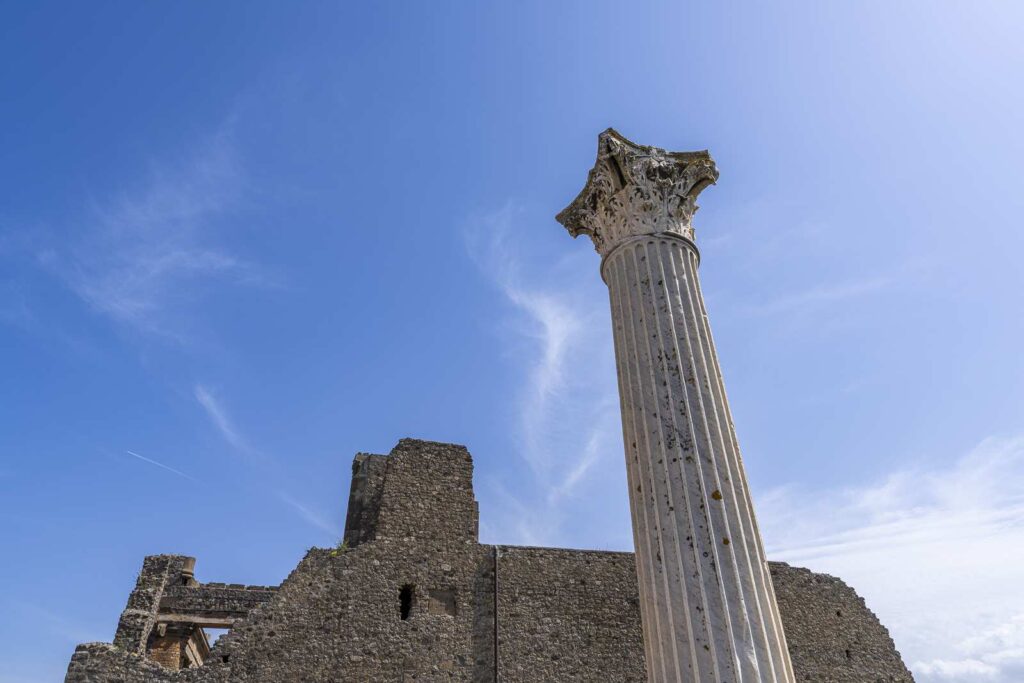
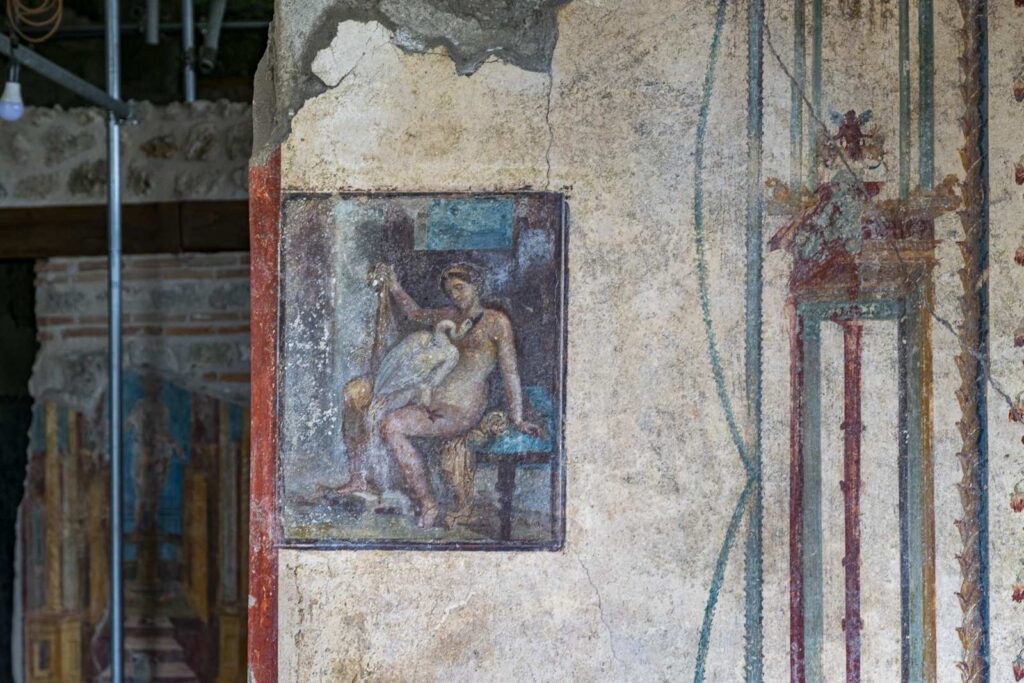
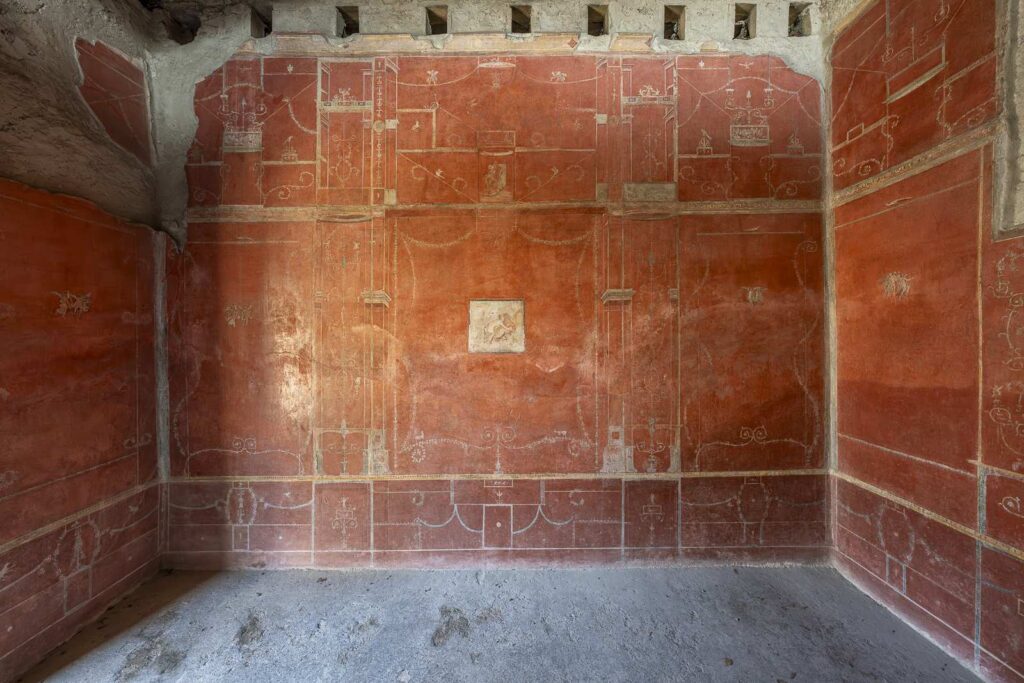
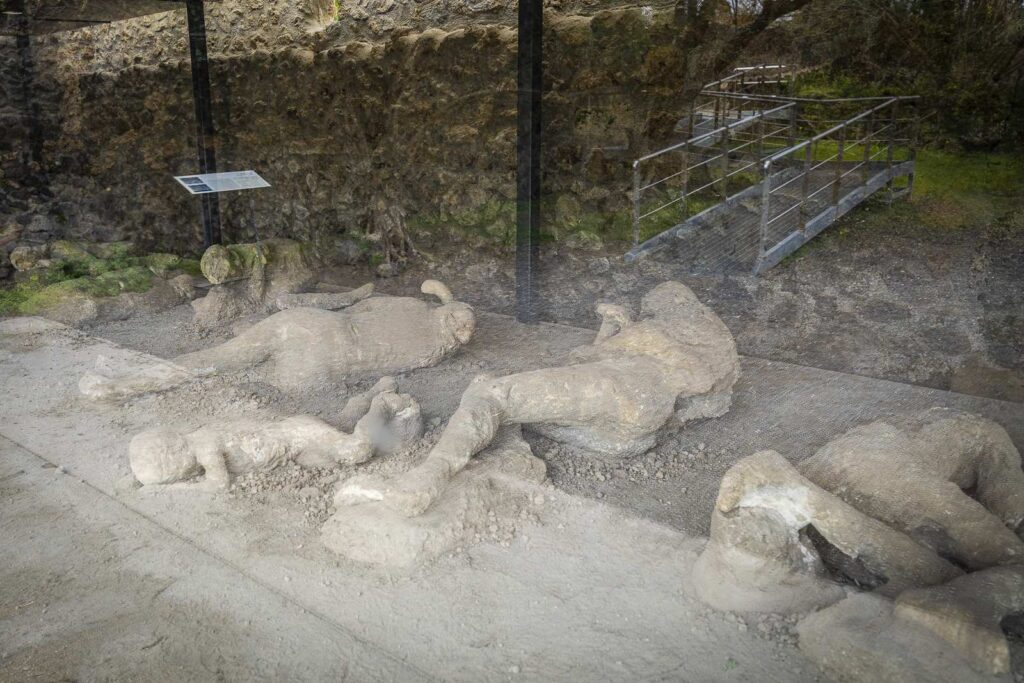


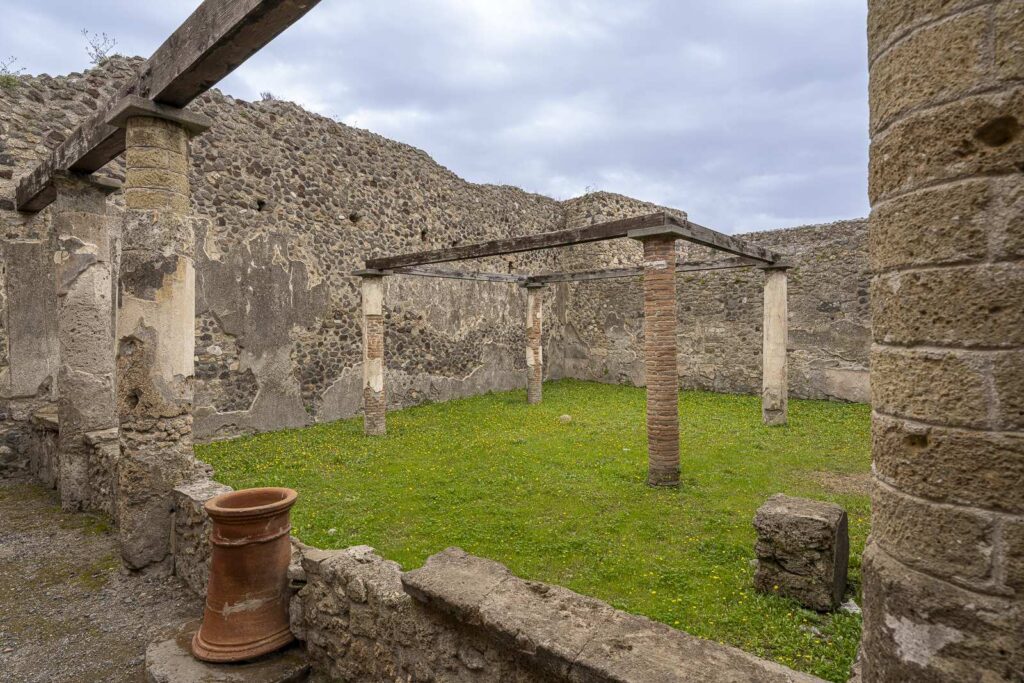
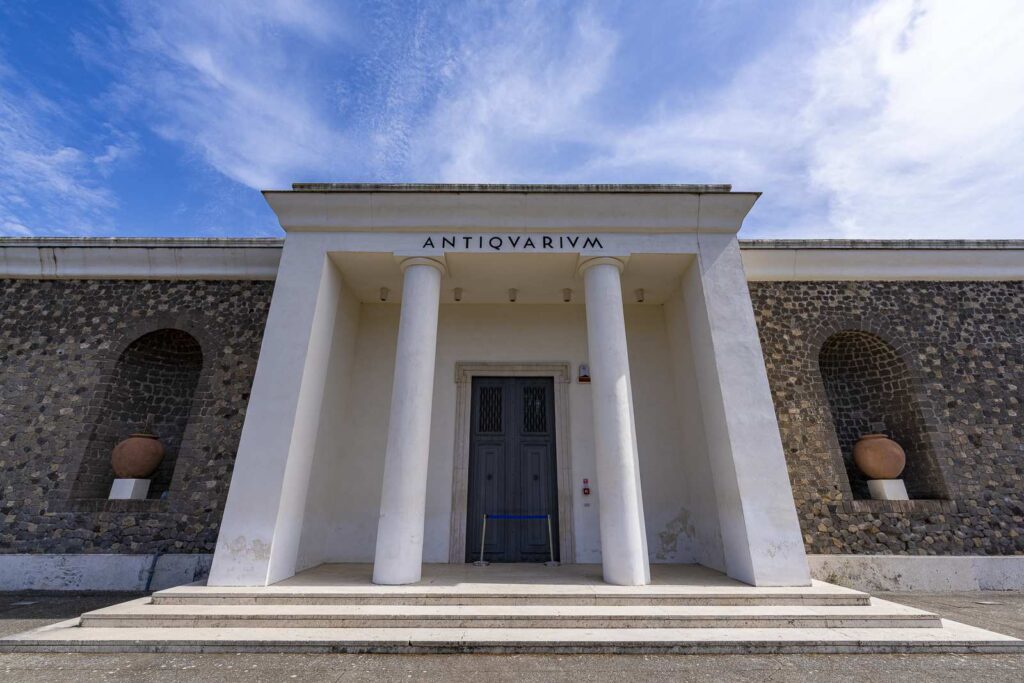


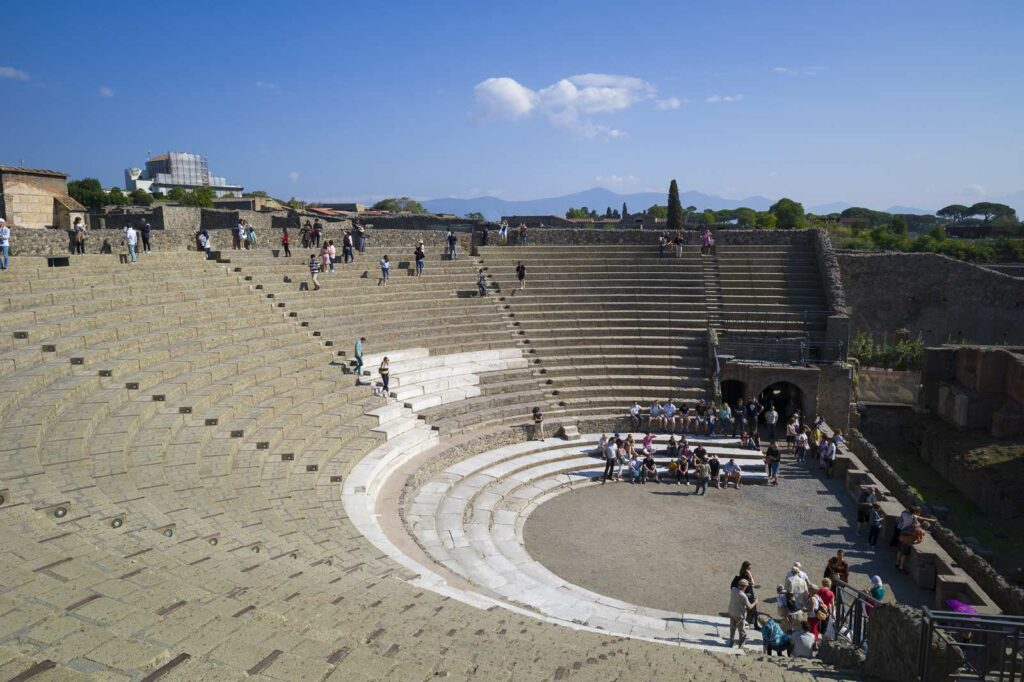



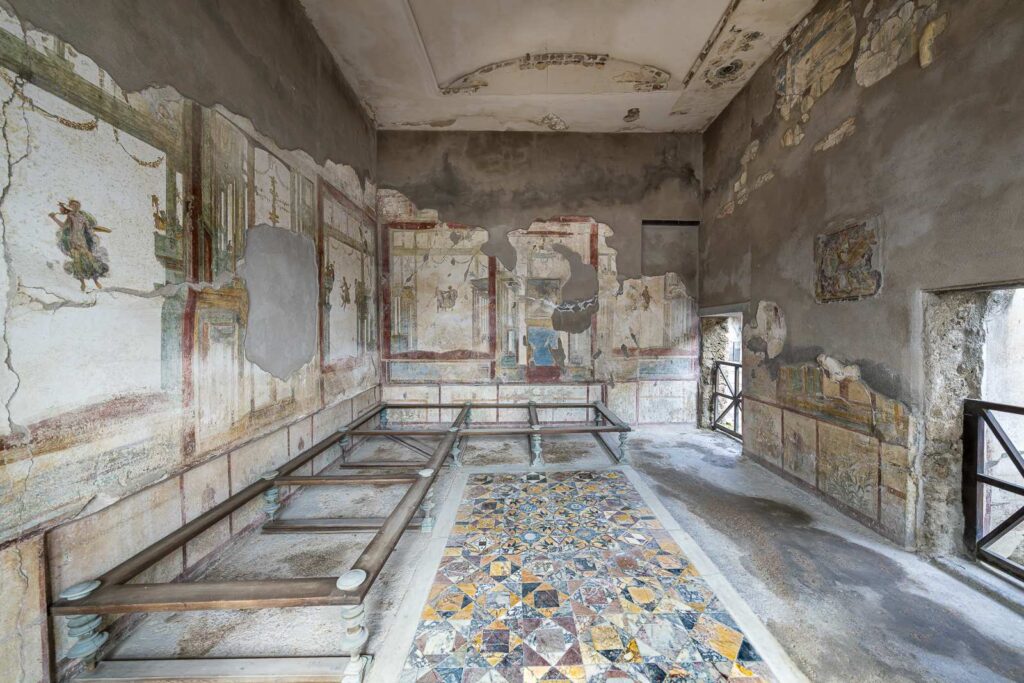
Discover the Pompeii Archaeological Park: Recommended Itineraries
Visiting Pompeii can feel overwhelming — streets, houses, temples, frescoes… where do you begin? That’s why we’ve created a series of itineraries to guide you step by step, whether you have just two hours or a full day. These routes are clear, comprehensive, and above all designed to help you experience Pompeii with curiosity and an open mind.
Useful Information for Visiting the Pompeii Archaeological Park
Planning a visit to the Pompeii Archaeological Park? In this section, you’ll find all the practical information you need to organise your experience: opening hours, tickets, accessibility, tips for families with children, where to find facilities, and more. Discover everything you need to enjoy Pompeii easily and without stress.
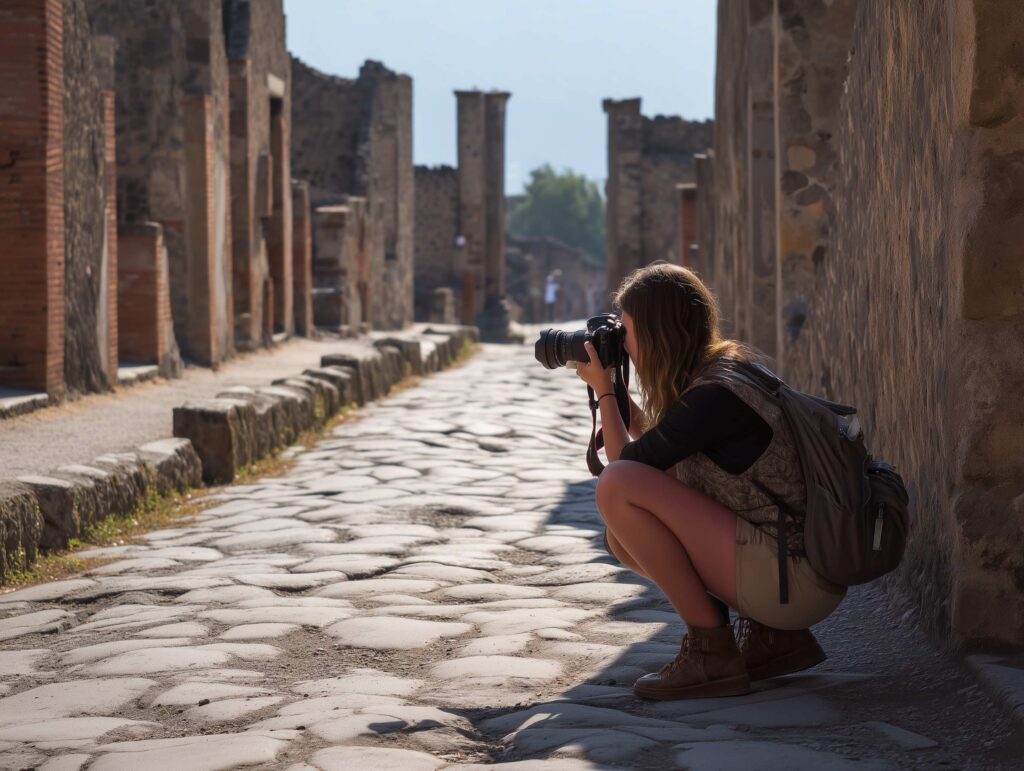
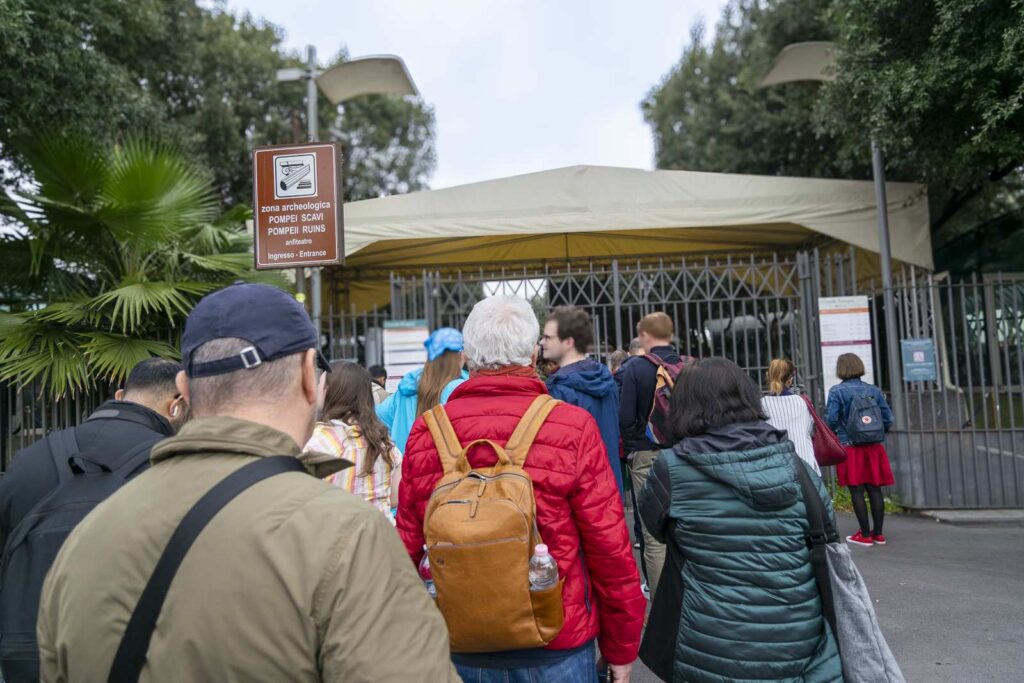
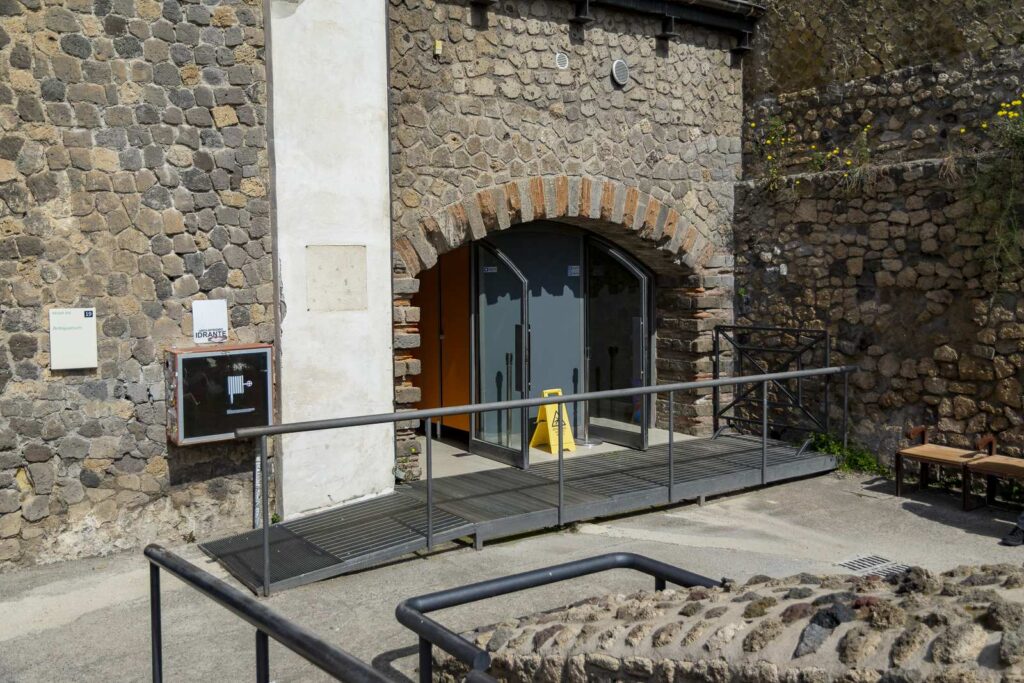
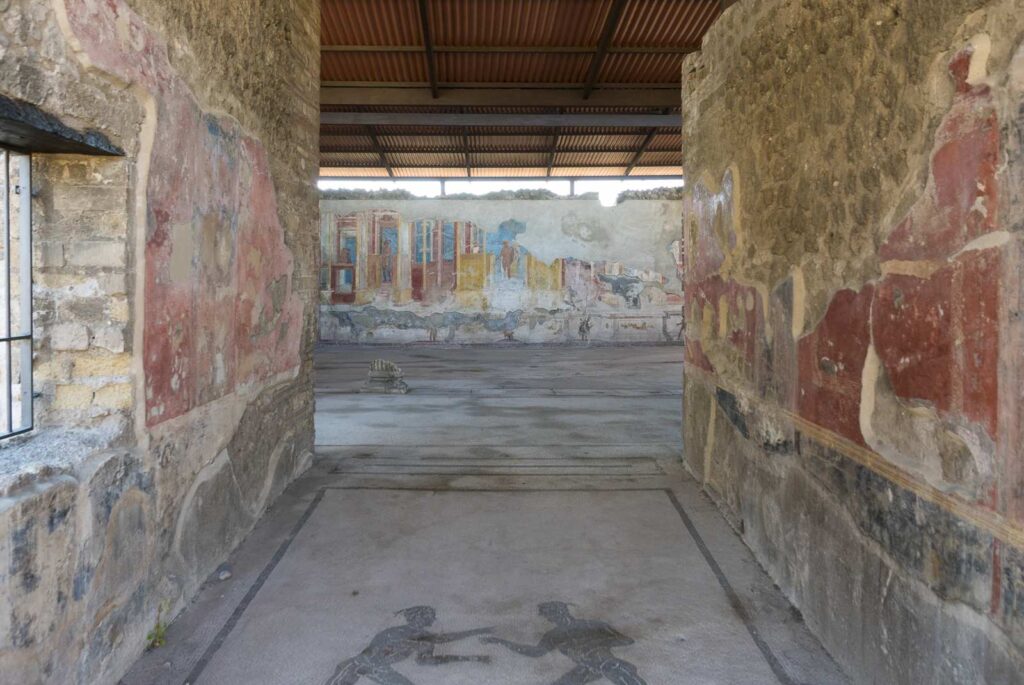
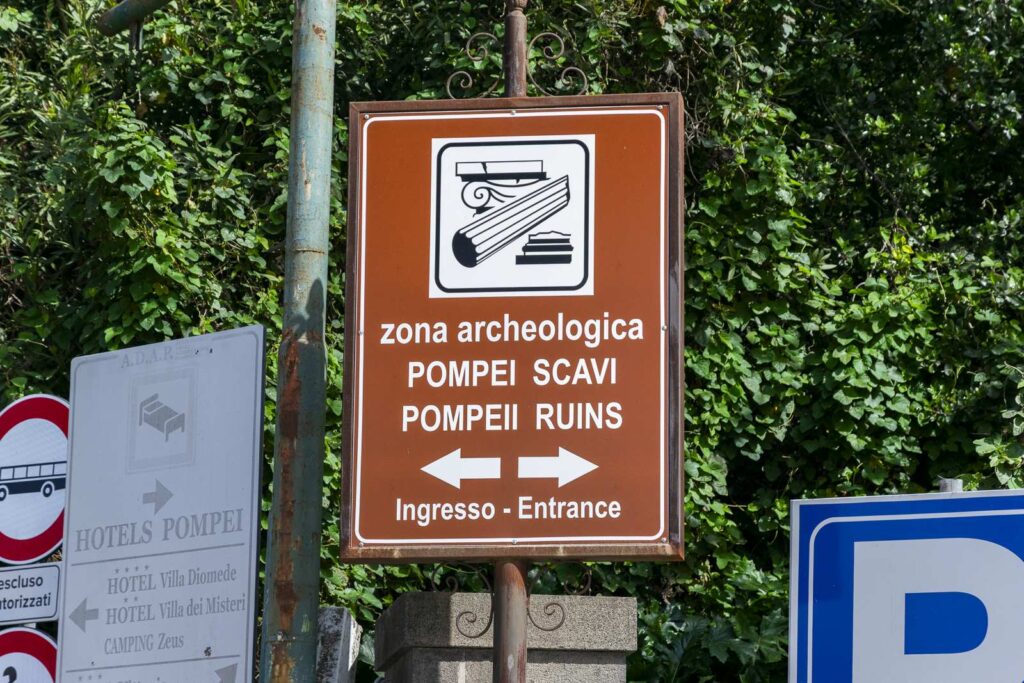

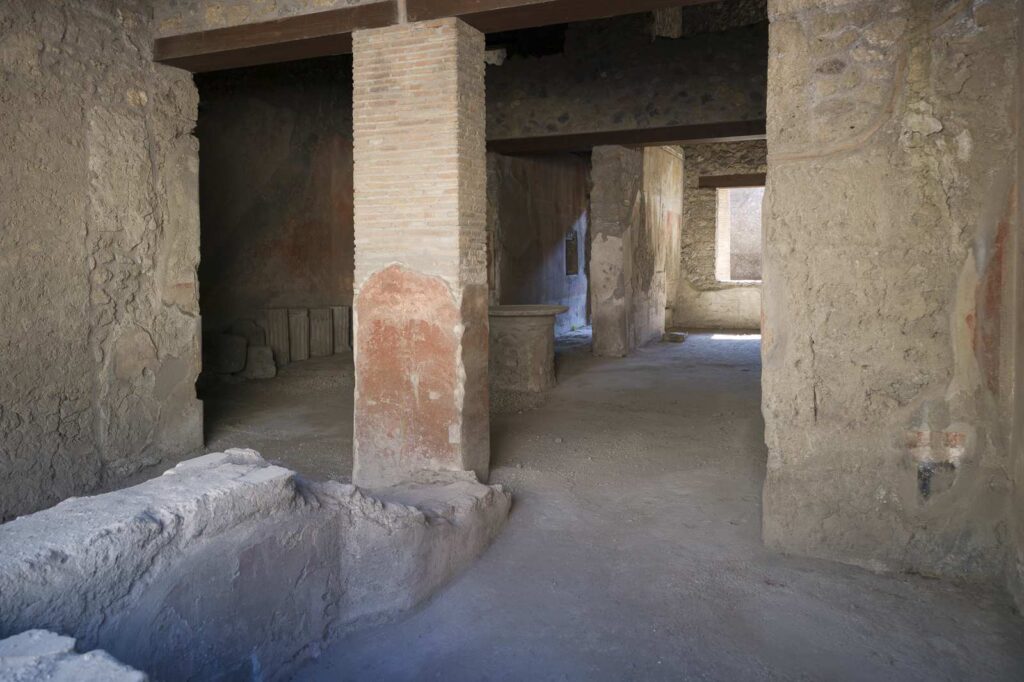
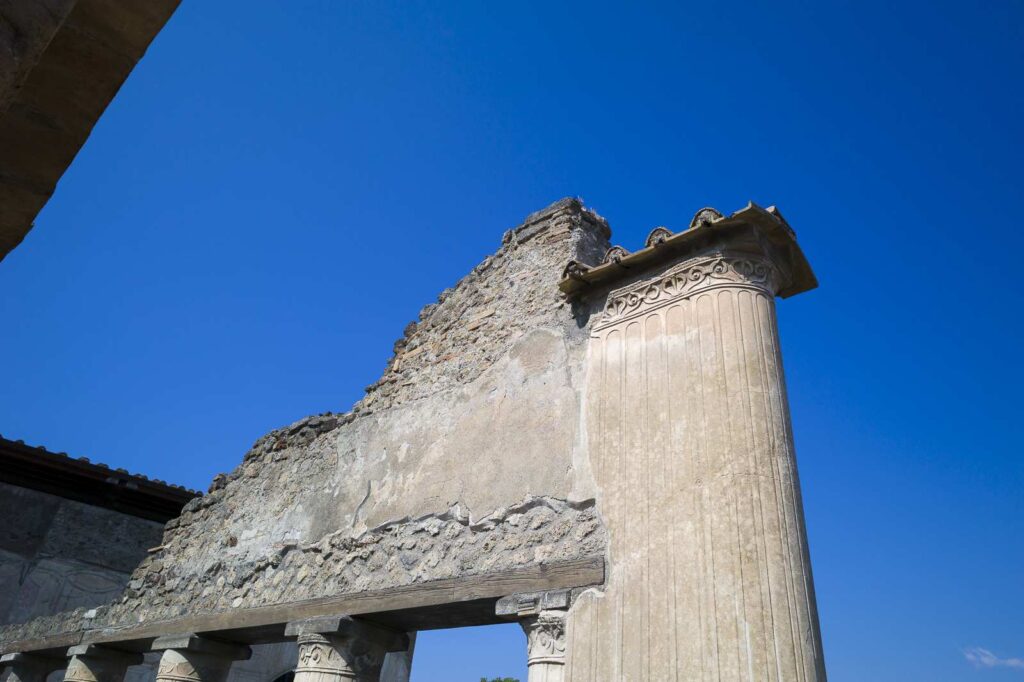

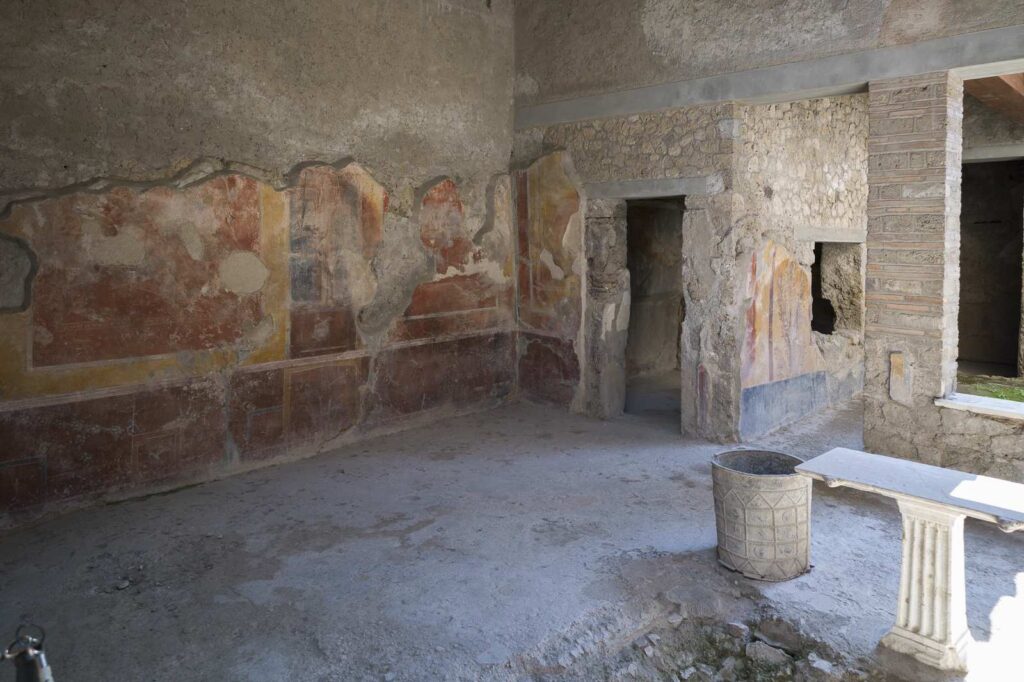


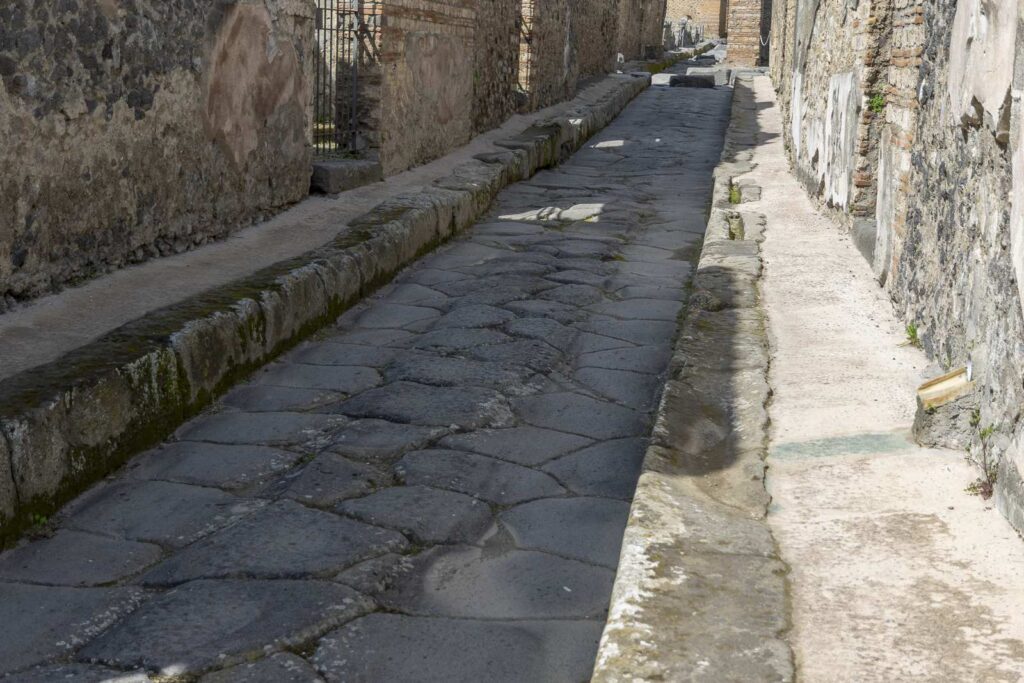


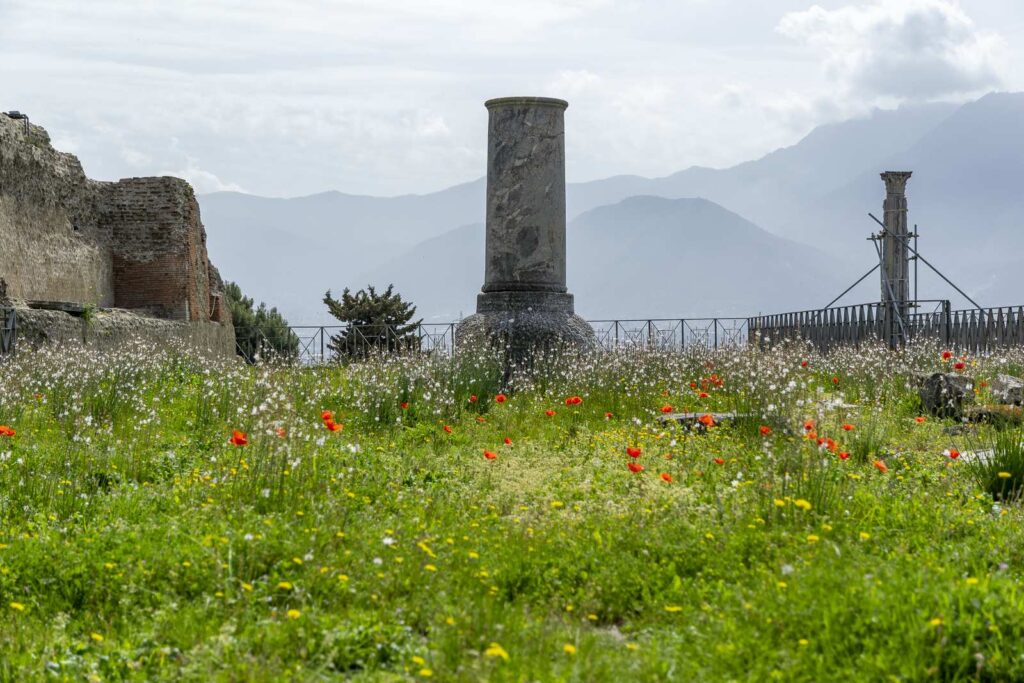
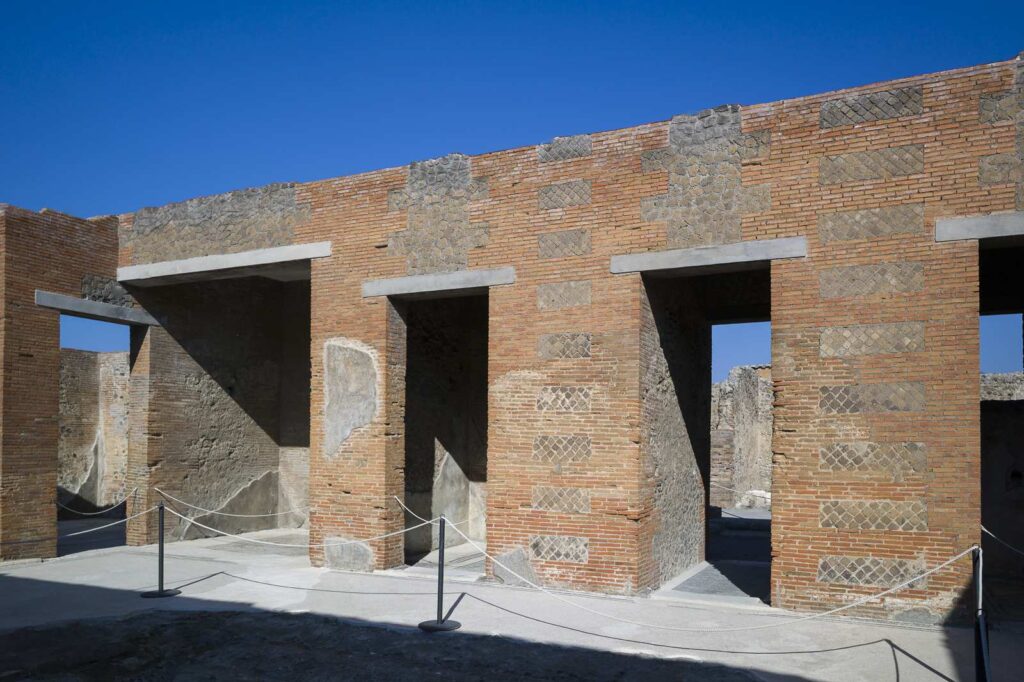


Photographing the Pompeii Archaeological Park: The Complete Guide
An inspiring and practical guide for anyone looking to capture Pompeii at its best. More than just an article, it’s almost a mini course: you’ll find tips on equipment, composition, and the best photo spots — complete with Google Maps coordinates.
How to Get to the Pompeii Archaeological Park
If you’re planning a trip to visit the Pompeii Archaeological Park, here are some tips on how to reach the site comfortably. Located in Campania, near Naples and Mount Vesuvius, Pompeii is easily accessible by various means of transport — whether you’re coming from afar or staying nearby.
What to See Around Pompeii
The Pompeii Archaeological Park offer an unforgettable journey into the heart of ancient Rome. As you walk among the ruins, you’ll discover the most iconic sites of this Roman city, buried by the eruption of Vesuvius in AD 79. Every corner of Pompeii tells a story — from majestic villas adorned with frescoes to temples, amphitheatres, and paved streets that have preserved remarkable traces of the past.
To help you explore this extraordinary site, here’s a selection of must-see places, including the Forum of Pompeii, the Amphitheatre, the House of the Faun, and the Villa of the Mysteries. Discover what makes this UNESCO World Heritage Site truly unique, and be captivated by the history and exceptional beauty of Pompeii.
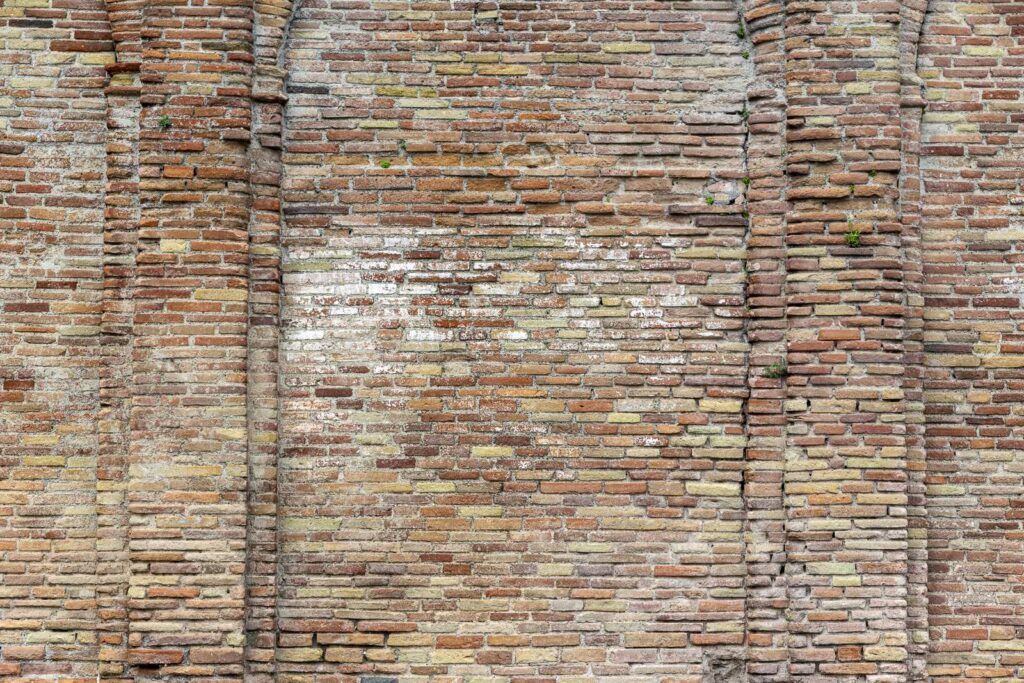

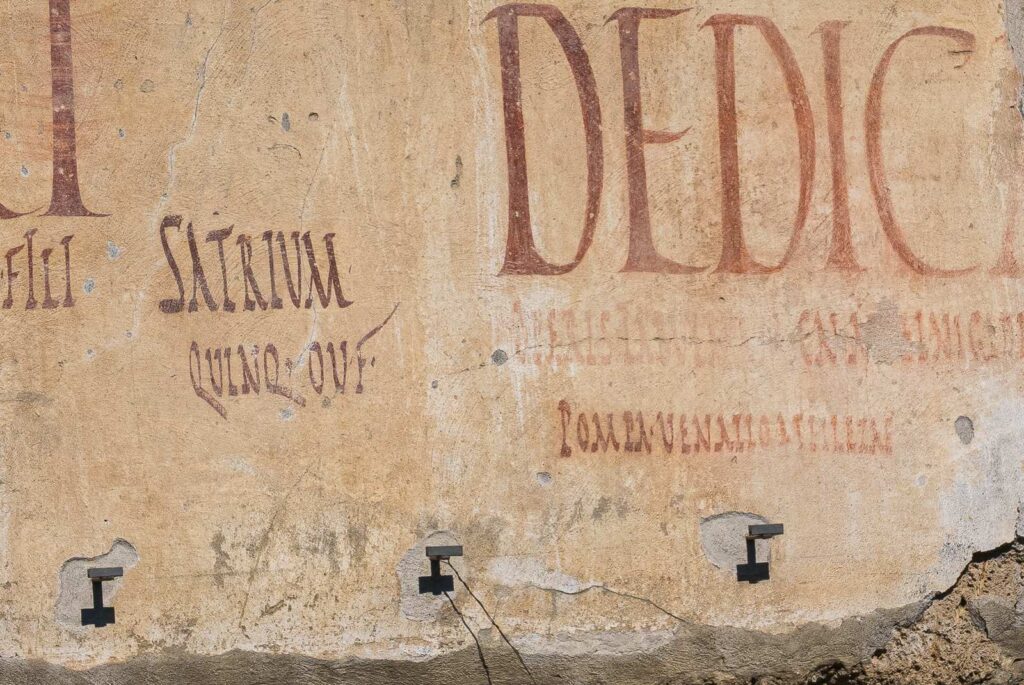
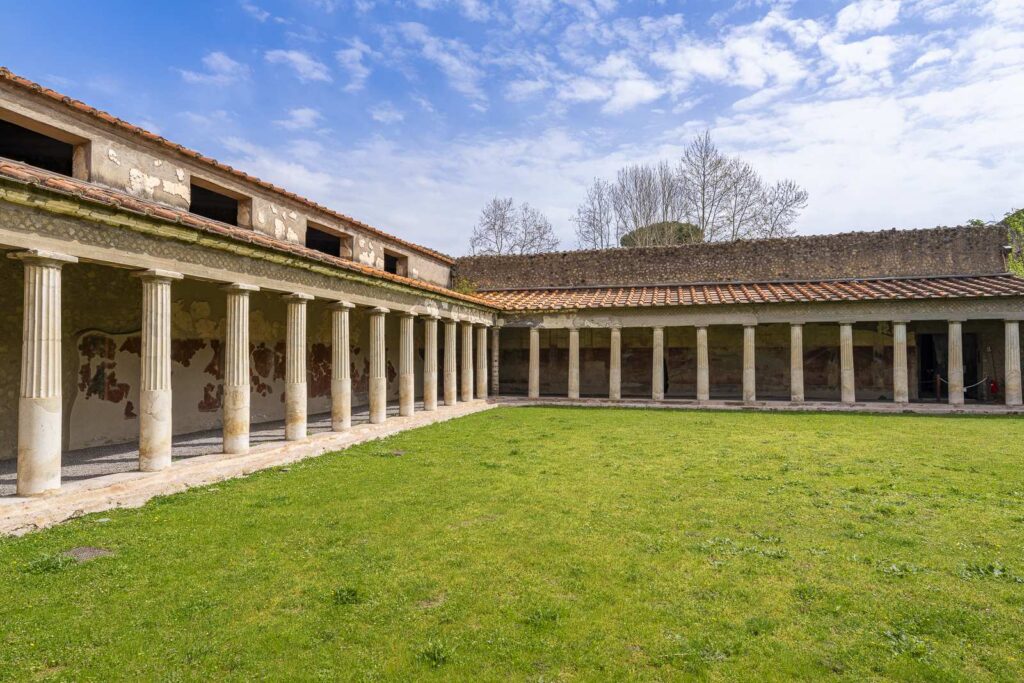


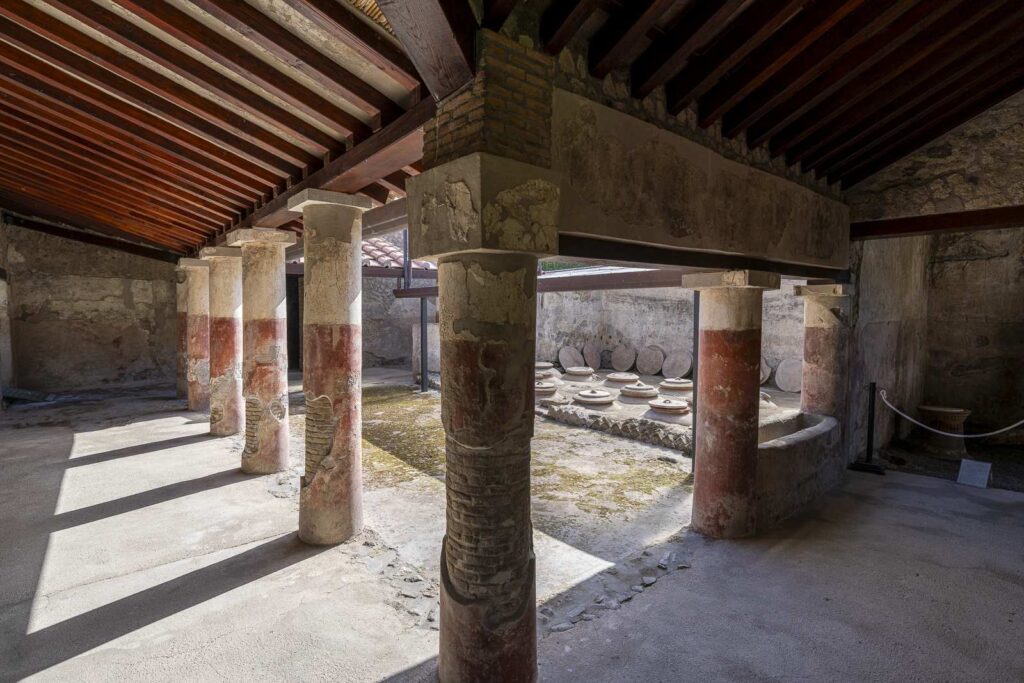

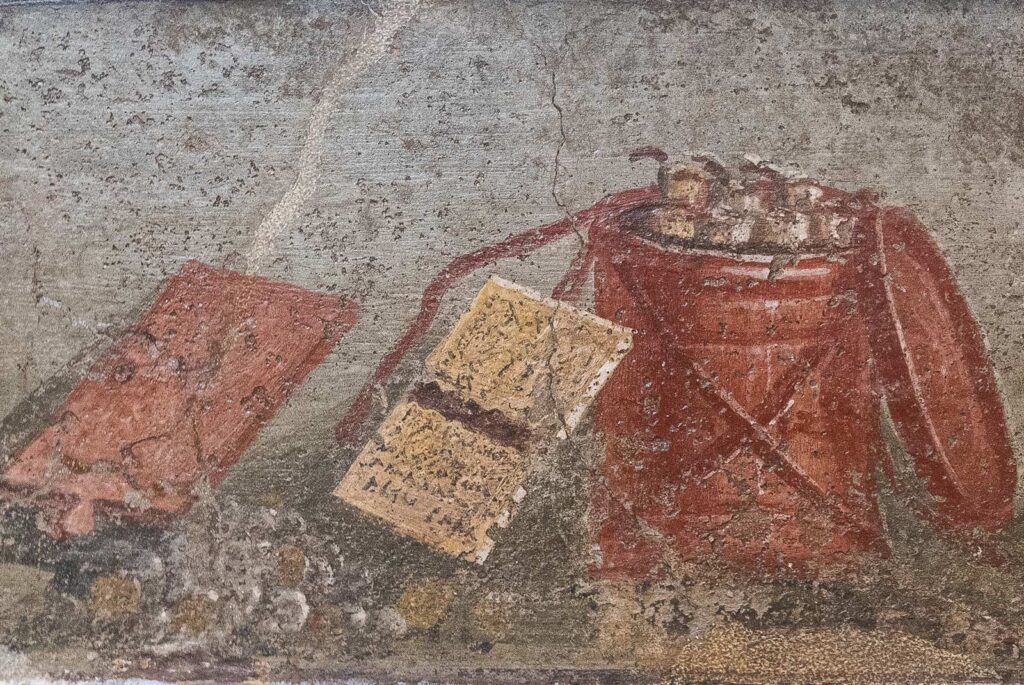

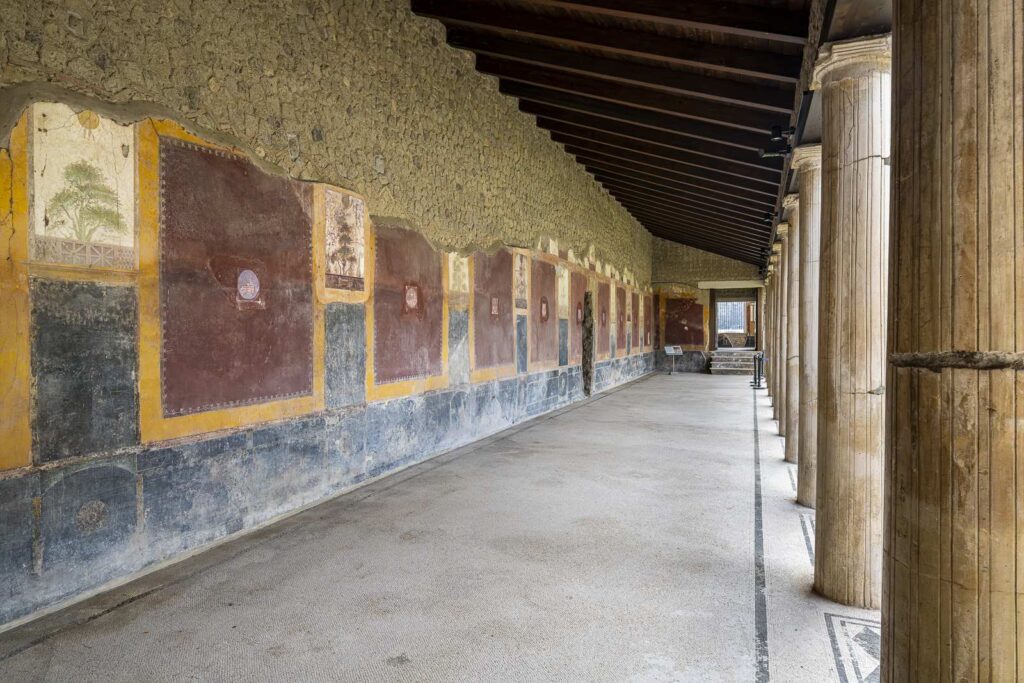
Did You Know?
The Pompeii Archaeological Park, a UNESCO World Heritage Site, continue to amaze and fascinate visitors from all over the world. Here are some technical facts and curiosities about the site.
Where to Eat While Visiting the Pompeii Archaeological Park
Visiting the Pompeii Archaeological Park is an experience that requires time and energy — and fortunately, the area offers several refreshment points for a well-deserved break. Inside the park, the Eagle House hosts “Pizza, Pasta & More”, a self-service restaurant managed by CIRFOOD, ideal for a quick yet high-quality lunch.
In addition, kiosks located in the inner courtyard offer tasting experiences featuring local products such as cured meats, cheeses, wines, and typical Campanian specialities. Completing the offer is a Café & Wine Bar, where you can enjoy homemade ice cream, traditional desserts, and a selection of cocktails.
Where to Sleep in Pompeii: The Best Hotels Near the Pompeii Archaeological Park
Visiting the Pompeii Archaeological Park is a unique experience that takes you back in time, through the streets and houses of a Roman city that has remained remarkably well preserved. While it’s possible to explore the site in a single day, many visitors prefer a slower pace to fully enjoy the experience. Spending a few days in Pompeii not only gives you more time at the excavations, but also the chance to discover the surrounding wonders — including Mount Vesuvius, Herculaneum, and other gems of Campania.
Pompeii Archaeological Park FAQ
Do you have questions about the Pompeii Archaeological Park? Check out our FAQ section to find detailed answers to common questions!
A quick visit to the main highlights takes around 2–3 hours. For a more in-depth experience — including museums, domus and villas — a full day is ideal.
The Pompeii Ruins are open from 9:00 am to 7:00 pm, with last admission at 5:30 pm. It’s always advisable to check for any updates on the official website.
As part of the “Sunday at the Museum” initiative, admission is free on the first Sunday of every month — a great opportunity to discover Roman history at no cost.
They offer a unique snapshot of daily life in Ancient Rome, having been buried by the eruption of Vesuvius in AD 79 and extraordinarily well preserved.
The basic ticket starts from €23, but prices may vary depending on the type of visit or any added options, such as guided tours or special access. See our “Pompeii Ruins Tickets” section for all available options.