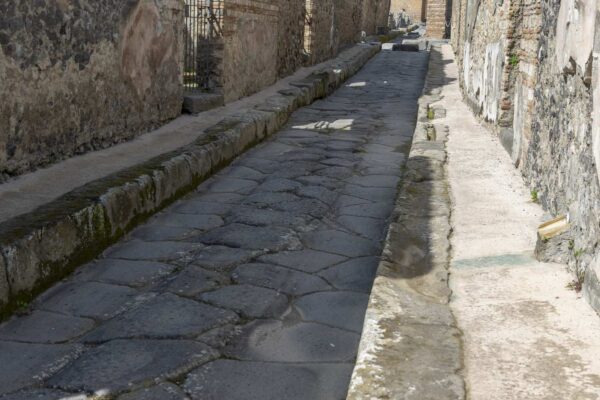
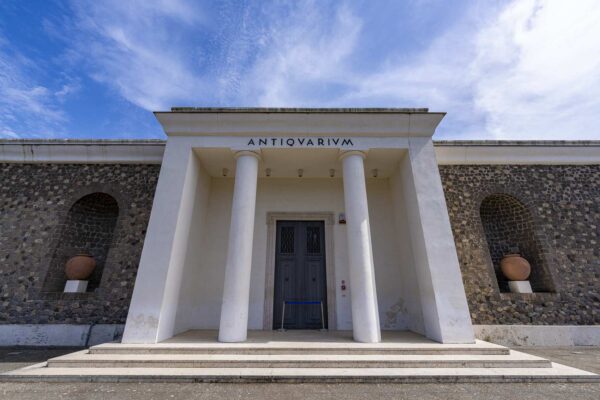
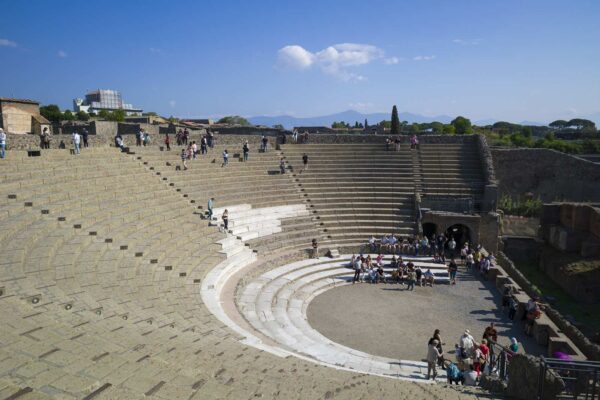
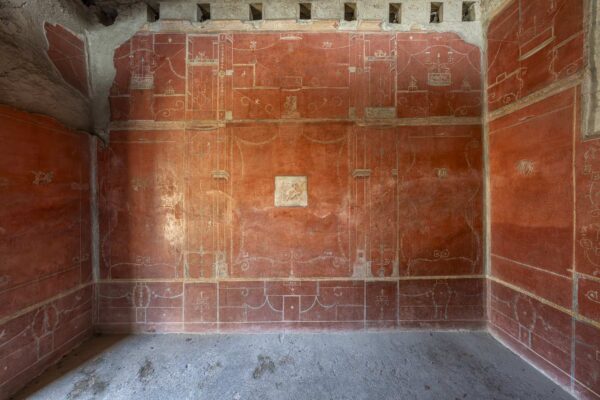
Visiting the Pompeii Archaeological Park is a unique experience, taking you back almost two thousand years into the daily life of the ancient Roman city buried by the eruption of Vesuvius in 79 AD.
Anyone exploring these remarkably preserved ruins has one big question: What is the best time to visit Pompeii? The answer depends on several factors, most notably the climate and the influx of tourists, two elements closely related to the different seasons of the year.
With an average annual temperature of 15.9°C, Pompeii enjoys a typically mild Mediterranean climate, but weather conditions vary significantly from month to month.
Choosing the most suitable season can greatly enhance the quality of your visit, allowing you to enjoy sunny days, pleasant temperatures, or, for those who wish, a smaller influx of tourists during less warm periods.
In this article, we will explore the pros and cons of each season, from fragrant spring to cooler winter, through sunny summer and warm-colored autumn.
We will also discuss how to best plan your visit by choosing the clothing and accessories essential to fully enjoy this outdoor experience without having to think about anything but the charms of one of the world’s most famous archaeological sites.
General Overview of the Climate in Pompeii
Before going into detail about each season, getting an idea of Pompeii’s climate annually is helpful. The city is in Campania, near the coast, with mild, wet winters and hot, dry summers. The average temperature is about 15.9 °C, but different peaks occur depending on the period.
The altitude often given as a reference (1,281 meters) is that of Vesuvius: Pompeii is very close to sea level, which influences its temperatures moderately, ensuring a Mediterranean climate in the most classic sense of the term.
- Hottest month: August. Average temperatures during this period can exceed 30 °C, sometimes reaching highs of 32 °C and above.
- Coldest month: January. Lows can drop as low as 8 °C (or slightly less in exceptional cases), while highs hover around 13-14 °C.
- Longest days: June through August, then in full summer, with many hours of daylight available for sightseeing.
- Shortest days: November, when daylight hours are significantly reduced and the likelihood of rain may increase.
- Maximum wind speed: On average, around 8 mph (about 13 km/h); in general, Pompeii is not a very windy, although cooler currents from the sea sometimes blow.
This overview helps us understand how there are times of the year with more inviting temperatures and when you can find fewer people due to cooler weather and shorter days. The next section will analyse season by season, highlighting advantages, disadvantages, and practical tips for clothing and managing visits during the day.
Weather Forecast
POMPEI WEATHERSpring: Mild Temperatures and Blooms
When wondering what the best time to visit Pompeii is, many tourists immediately think of spring. This period, which runs roughly from late March through the end of May, offers enjoyable weather conditions:
- Average temperatures range roughly from 15 °C to 21 °C in March-April and even reach 24-25 °C in May.
- Sunny days: the probability of finding clear days is relatively high, although sudden spring downpours may occur.
- Daylight hours: In spring, the days get progressively longer, ensuring a good number of hours to explore the ruins.
From a scenic and atmospheric point of view, spring brings a touch of colour to the ruins. Temperatures are not excessive, the sky is often clear, and the surrounding greenery provides an ideal setting for Pompeii’s ancient streets.
This is also the season when flowers bloom, giving the site a special charm, especially considering the vast expanse of the outdoor excavations.
Recommended Clothing in Spring
Because temperatures are moderate but can vary during the same day, it is advisable to dress in layers. It may be cool in the morning and toward evening, while in the middle hours of the day, the sun can heat up intensely:
- A light sweater or jacket for the early morning and evening hours.
- Lighter clothes (T-shirts, short-sleeved shirts) for the middle hours of the day.
- Comfortable, closed-toe shoes or, if you prefer, breathable athletic shoes for moving with agility on stone roads.
- Hat or sunglasses in case of prolonged exposure, not forgetting sunscreen, especially from late April onward.
Tourist Influx in Spring
Many consider spring to be the best time to visit Pompeii. As a result, the tourist influx starts to increase, especially from April, with peaks around the Easter holidays and spring breaks. However, the number of visitors has not yet reached the level of crowds typical of the summer months.
If you want to avoid the crowds further, consider midweek days, when you will usually find fewer lines and have plenty of time to explore the excavations in peace.
Summer: Intense Sunshine and Maximum Attendance
From June to early September, summer is notoriously the peak time for tourism throughout Italy, and Pompeii is no exception. The sunny days, high temperatures and overall attractiveness of the country attract visitors from all over the world.
- Average temperatures: June offers values between 20 and 28 °C, July and August reach peaks of 32 °C and above, especially in the middle hours of the day.
- Sunny days: Very long, with light until late afternoon (June, July and August are the months with the longest days).
- Precipitation: Minimal. It is rare to find intense or prolonged rain, although passenger summer thunderstorms may occur in some parts of Campania.
Pros and Cons of Summer
In summer, Pompeii glows in the sun, showing every detail of the ruins and providing magnificent views of Vesuvius. However, the heat can be scorching and stifling in the middle hours, especially in July and August. Those who do not tolerate high temperatures well should carefully consider visiting in the early morning or late afternoon.
Recommendations for the Elderly and Children
If you are travelling with elderly people or young children, planning your visit with special care is essential: high temperatures can be dangerous for those who struggle to cope with intense heat. Plan for more frequent stops, plenty of water to drink and, if possible, focus visits at the least hot times of day.
Regarding attendance, the summer months coincide with the peak of visitors, especially in August. It is very common to come across large, organised groups. Therefore, although numerous times are available for guided tours, it is essential to book well in advance to secure entry and avoid excessive queues.
Recommended Clothing in Summer
To cope with the summer heat, here are some valuable tips:
- Wear light, breathable clothing, preferably cotton or linen, avoiding dark colours that absorb heat.
- Carry a hat or sunshade to protect yourself from the most intense rays.
- Use high-protection sunscreen, especially if your visit is during peak hours (11 a.m. to 4 p.m.).
- Comfortable, closed-toe footwear (sneakers or sport sandals) to move nimbly on the ancient pavements.
- Don’t forget a water bottle: thirst and the risk of dehydration are high during summer, especially if you spend many hours outdoors.
Tips for Reducing the Heat
- Arrive early in the morning, when the air is cooler and the crowds have yet to peak.
- If possible, carve out a break in the middle of the day to rest in the shade (although there are not many shady spaces in Pompeii).
- Have small, light snacks instead of a large meal, and avoid weighing yourself down as you walk a long distance.
Autumn: Pleasant Weather and Warm Colours
Fall, which runs from September to November, represents for many an ideal time that could vie with spring for the best time to visit Pompeii. This is because the summer heat begins to fade and temperatures become milder, creating perfect conditions for an archaeological excursion.
- September: often considered an “end-of-summer” month, with values that can still reach 29 °C in the hottest hours, but with a gradual drop in temperatures towards the evening.
- October: average temperatures between 17 and 24 °C, excellent balance between warmth and crisp autumn air.
- November: we gradually enter cooler weather, with temperatures hovering between 12 and 18 °C, and an increased probability of rain.
Autumn Atmosphere and Affluence
On a scenic level, autumn brings shades of colour to the surrounding hills and particularly striking light, especially at sunset.
Crowds tend to decrease compared to summer peaks, although early September may still see many tourists extending their summer vacations.
October and November, in particular, are popular times for those who like peace and do not want to suffer too much from the heat.
Attendance drops further, and one can enjoy a more relaxed visit with fewer lines at the entrances. Some people prefer the second half of autumn to avoid large organised groups present in greater numbers between June and mid-September.
Recommended Clothing in Autumn
- September: clothing similar to summer, but with a light jacket for the evening.
- October: wear versatile garments, such as a sweatshirt or sweater, paired with t-shirts or shirts. Always bring a k-way or a small umbrella in case of sudden rain.
- November: Temperatures are getting cooler, so a waterproof jacket or trench coat may be a wise choice, as well as comfortable, moisture-resistant shoes.
Why Choose Fall
Autumn may be the answer if you are wondering what the best time to visit Pompeii is while balancing climate, attendance, and prices. Lodging costs and flights often drop after the summer peak season, while the weather remains quite friendly for outdoor walks.
In addition, the beauty of the autumn light over the ruins and Vesuvius makes for a truly unique atmosphere.
Winter: The Charm of Tranquillity
Winter in Pompeii, from December to February, is when most tourists avoid outdoor travel, preferring other destinations or waiting for warmer seasons. However, for this very reason, the winter months offer a not inconsiderable advantage: low crowds.
- Average temperatures: range from 9 to 14 °C, with January being the coldest month (lows around 8 °C).
- Precipitation: more likely than in other seasons, although not always abundant.
- Daylight hours: shorter, especially in December and January, with sunset coming early.
Pros and Cons of Winter
- Pro: Few tourists mean that one can walk the streets of Pompeii in peace, immersing oneself more in its charm and appreciating details that go unnoticed during peak periods. Also, since it is considered low season, there are often deals on lodging, food, and transportation.
- Cons: Temperatures are colder, although it is unlikely to drop below 8-9 °C. In bad weather, there is a risk of getting wet in the rain. It is good to consider that the archaeological site is almost entirely outdoors and may be less comfortable on a particularly cold or rainy day. Short days reduce the time available for visiting in bright light.
Recommended Clothing in Winter
- Thermal sweaters or fleece, coats and scarves to protect against the cold.
- Closed and possibly waterproof shoes are recommended because winter downpours, although sporadic, can create puddles or slippery areas between ancient stones.
- An umbrella or a K-way is always a good idea, as are light gloves if you are particularly chilly.
- Don’t be misled by the ‘mild’ temperatures compared to other parts of Europe: the humidity can make you feel colder than the thermometer says.
For whom winter is recommended
Visiting Pompeii in winter is perfect for those who do not like the intense heat and want a more intimate, crowd-free visit. If the weather cooperates and you can catch a clear sunny day in December or January, you will have a wonderful experience in an almost exclusive setting. In addition, the reduced prices can be an added motivation for those travelling on a budget.
Helpful Tips and Strategies for Choosing the Ideal Time
Now that we have looked at seasons and months in detail, here are some practical tips for identifying the best time to visit Pompeii according to your needs:
- Assess your thermal comfort: If you tolerate the heat well, you might appreciate the summer atmosphere, with the long days and vivid light. On the other hand, if you are looking for moderate temperatures, spring and autumn are the best seasons. Finally, winter is for you if you want to avoid the crowds and do not suffer from the cold temperatures.
- Check the calendar of events and holidays: Attendance can increase around bridges and holidays (Easter, spring bridges, Christmas), regardless of the season. Italian and European tourists often choose long weekends, so opt for weekdays to enjoy a more relaxed visit if you can.
- Morning or afternoon: Arrive early to avoid the busier crowds (especially in summer) and enjoy cooler temperatures. Alternatively, late afternoon can be a suggestive option if you check the site’s closing times.
- Bring the essentials: In any season, it is advisable to have a water bottle, a hat, and sunscreen with you (yes, even in winter if the sun is intense!). It is best to have a light raincoat or a folding umbrella for rain. Remember, there is a lot of walking, so comfortable shoes are necessary to avoid foot discomfort.
- Book in advance: Although winter is quieter, it is always good to inquire about ticket availability. Book online to avoid lines and stress at the entrance if you decide on a guided tour.
Our Favourite Time to Visit Pompeii
After evaluating seasons and months based on climate, attendance, and general comfort, we believe that May and September are the two months that best represent the best time to visit Pompeii:
May: Spring weather is almost stable, with temperatures averaging between 17 °C and 24 °C. The days are pretty long and sunny, ideal for exploring the archaeological area without suffering from summer mugginess. Tourist attendance is increasing, but it still does not reach the levels of July and August, allowing the atmosphere of the ruins to be experienced in a more relaxed way.
September features weather that is still warm but more temperate than the peaks of July and August. Temperatures can touch 29 °C in the first few weeks, then gradually drop toward the end of the month. Tourist influx also drops compared to the heart of summer, providing a quieter setting for strolling through Pompeii’s ancient streets and enjoying the beautiful rising autumn lights.
These two months combine favourable weather, making visiting and staying outdoors easier, with a manageable influx of tourists.
Compared to the winter period (rainier and with short days) and the summer period (very hot and often overcrowded), May and September strike an optimal balance.
By choosing these dates, you will maximise your chances of enjoying ideal temperatures, adequate daylight hours, and less confusion, allowing you to immerse yourself fully in Pompeii’s timeless charm.
Conclusions
Determining the best time to visit Pompeii depends mainly on personal preference: some prefer the allure of a summer walk, kissed by sunshine and cloudless skies, while accepting the crowds and intense heat; others prefer the calm and collected atmosphere of a winter period, with cooler temperatures but an almost exclusive experience; finally, many aim for the mid-season (spring and fall) to strike a balance between mild weather and a more sustainable tourist presence.
Pompeii, with its outdoor ruins, demands a certain amount of planning and attention to detail, especially when it comes to clothing and accessories.
Dressing in layers in spring and fall, covering yourself well in winter, and equipping yourself with sun protection in summer are basic precautions to enjoy your visit without discomfort. Add a check of the weather forecast and booking, and the groundwork is laid for an unforgettable experience.
Whichever time of year you decide to go, Pompeii will know how to reciprocate your curiosity with a unique journey through time.
The important thing is to prepare as best you can, carefully choosing the season that reflects your tastes and needs: pleasant climate, lower crowds, cheap offers or maximum summer vitality.
The ancient city, witness to its tragic past and custodian of a priceless heritage, will know how to amaze you under the warm light of September, the intense rays of July, or the contemplative quiet of January.
Whether it is for the fascination of the archaeological remains, the desire to discover a piece of history, or the simple pleasure of a different adventure, Pompeii remains a dream destination at any time of the year. And if you want to minimise risks of heat, rain or crowds, you now have all the tools to find the best time to visit Pompeii!
FAQ About the Best Time to Visit Pompeii Archaeological Park
The best times to visit Pompeii are spring (May) and fall (September). During these months, temperatures are mild, and tourist crowds are manageable, allowing for a more relaxing and comfortable visit.
Spring and Fall: Moderate turnout, ideal for enjoying the ruins without too many crowds.Summer: High attendance, especially in July and August, with high temperatures.Winter: Low attendance, but with cooler temperatures and shorter days.
Spring: Mild weather and blooms make the site especially beautiful. Summer: Intense heat can make prolonged visits uncomfortable, especially for the elderly and children.Fall: Pleasant temperatures and fall colours add to the site’s charm. Winter: Cooler temperatures and a chance of rain, but with fewer tourists.
Yes, it is possible to visit Pompeii during the winter. The pros are lower tourist crowds, allowing for a quieter visit, and cheaper deals on lodging and transportation. The cons are cooler temperatures (between 9 °C and 14 °C), shorter days, and the possibility of rain, requiring appropriate clothing. Visiting Pompeii in winter is ideal for those who prefer to avoid crowds and have no problem with cooler temperatures while still preparing adequately for the weather.